Clearing House – Getting Your Parents’ House in Order After Their Death
It can be emotionally and physically taxing to organise your parents’ home after they pass away. Almost everything you touch may bring back memories, which makes the process extremely difficult.
The fact that you don’t know where to start only makes matters worse. Choosing whether to keep, recycle, donate, throw away, or sell certain items can be hard, especially if those things were belongings with sentimental value.
https://sellmyhousefastinscotland.com/
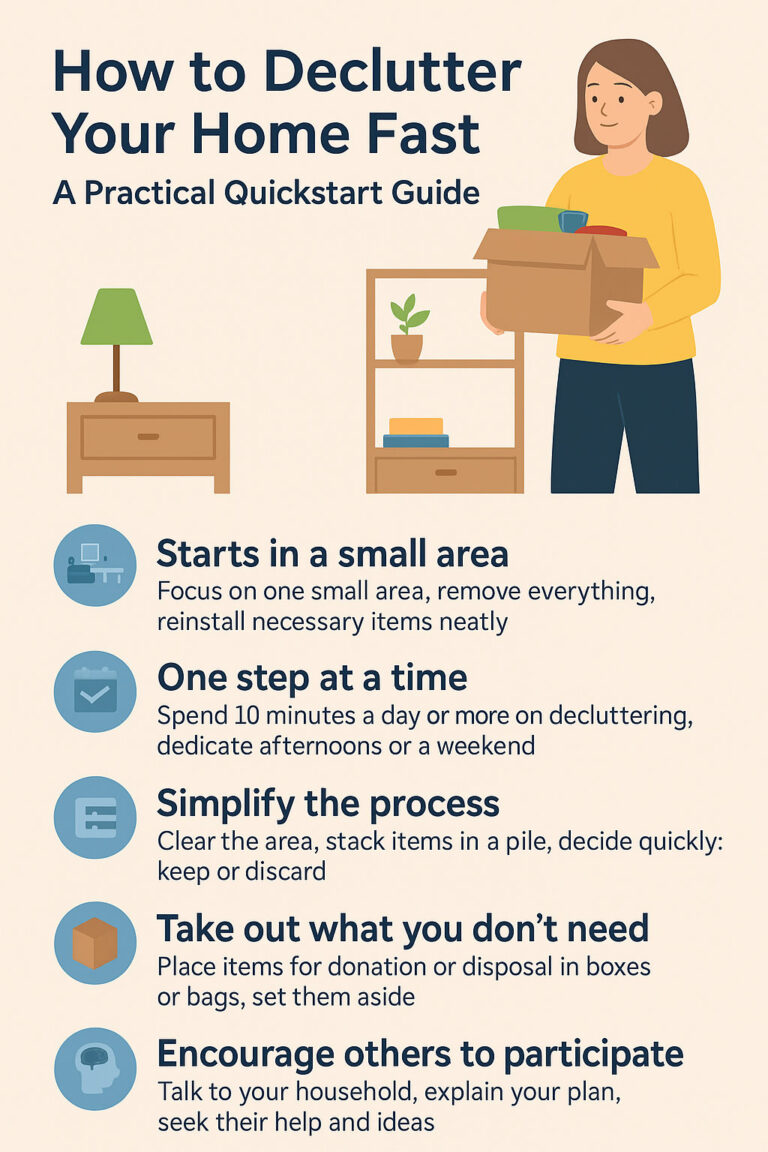
You can ask for some assistance with cleaning out your parents’ home. This is something that professional house cleaning services, like Clutter Clinic, concentrate on. However, for those of you who want to manage it on their own, here is a step-by-step tutorial on what to do.
Steps for managing a house clearance as executor
Ensure that the house is secure
There are things to do after the funeral if the house will be empty after the loss of a loved one. First and foremost, it’s essential to secure the house. Ensure that all of the locks are operational, remove any perishable goods, and dispose of any household chemicals and organic waste. You should think about replacing the locks if you are not sure who has the keys to the property.
If you are unable to care for your parent’s beloved pet, you must find a new home for them. The ideal situation would be to find a friend or relative who is willing to take in the pet as their own. If you are unable to find someone you know who is prepared to provide the pet with a loving home, contact the RSPCA, The Cinnamon Trust, or a local animal shelter.
Gather and keep important documents
If you’re lucky, your loved one was well-organised, had all of their estate plans completed before they passed away, and had all of their most important documents filed safely. If not, you will need to go through all of the documents you can gather. Keep an eye out for:
Bank statements
- A Birth certificate
- A Passport
- A homeowner’s insurance policy
- A Property deed
- A Life insurance policy
- A stock and a bond certificate
- A Utility bill
- A Credit card statement
- A letter from friends
- A Bill receipt
Take things slow; start by making a box for each type of document and then just filling it with items. Sorting by date and organisation will be phase two.
Verify whether Probate is needed
A common question is, “What is probate?” It involves handling a deceased person’s assets, money, and property legally and financially. It involves verifying who has the right to manage the deceased person’s estate and proving the validity of any will, if present.
Applying for a grant of probate, known as confirmation in Scotland, may be necessary before any executor or next of kin listed in the will can claim, transfer, sell, or distribute any of the deceased’s assets.
In Scotland, confirmation is usually needed when a deceased individual has substantial assets or property in their sole name. Whether or not there was a will has no bearing. It is contingent upon the deceased’s financial situation.
Read their will, and act in accordance with it
Although reading a will may seem too simple to be included in a handbook, there are a lot of various types of wills, which can make it very difficult as part of the process. Before you start giving things away or putting them in the skip, you must first determine who has an interest in your loved one’s estate.
Soon after the funeral, the will is read, and it might contain specific requests. A mother might, for instance, wish for her oldest daughter to have her engagement and wedding rings.
Put an end to any ongoing services
It’s an excellent decision to put off any ongoing services, including TV, internet, and utilities, to avoid accruing any more debt. A copy of the death certificate is required for this, unless your loved one has given you permission to act on their behalf.
Sort the personal possessions of your loved one
When a loved one passes away, going through their personal belongings is perhaps the most painful part of clearing a house after death. It may take weeks or even months for some people to feel prepared to take on the work. The secret is to remain organised. Begin by creating piles according to categories, such as:
- What to keep
- What to donate
- What to recycle
- What to sell
- What Items need to be appraised by a qualified expert
- What items to throw away
It is best to go through the house one room at a time rather than attempting to clean the entire house at once. Start with areas that don’t trigger strong emotions, such as the garage or garden shed.
Get in touch with the other family members
You must inform the other members of your family of your parent’s passing. If they wish to keep something, they should be allowed to do so. You can decide to invite everyone at once if your family members get along well and there haven’t been any significant conflicts regarding the estate or the house cleaning procedure.
On the other hand, bringing in smaller groups of relatives can help ease the tensions within the family. First, their immediate family, followed by their closest friends and family, and lastly, everyone else.
Get an appraisal for your property
It’s possible that the property contains valuable items like china, paintings, and old books. To find out which objects are valuable and worth selling, it is advisable to speak with a property evaluation specialist. Most individuals don’t know much about the value of such items.
Taking the items to your neighbourhood auction house for a professional appraisal is another option. You may be recommended to have an estate sale of your loved one’s valuables if it turns out that they had many of them.
A lot of people don’t realise how much antique clothing, jewellery, and technology can cost. Before hiring a house clearance company, it could be useful to have someone who can provide a proper valuation of these items for you whether that is in person or online.
Update old furniture and home items
There may be articles of furniture or other household items that would be more valuable if upcycled. Instead of throwing away some of the items, they may be repurposed or recycled. Again, searching online can provide you with more information about the value of certain parts, allowing you to determine what to do with them.
Donate items or organise a sale to dispose of furniture and other household items
If there are any items left after everyone has filed a claim, consider donating them to a charity. Completing a Gift Aid form furthermore entitles the charity to an additional 25% of the donation’s value if you are a UK taxpayer. They will inform you of the amount raised by the items that you donated. It’s truly fulfilling to know that you’ve raised money for a worthy cause, and it’s possible that your loved one had a charity that was very important to them.
Check out how much hiring a skip would cost
If you still have a lot of items you don’t know what to do with after going through everything to be sold, gifting to family, and donating to charity, try hiring a skip or a “man with a van” to transport them away to your local household recycling centre.
Old electrical appliances and garden tools can be recycled, but consider hiring a local auction house for items with potential value. It is also essential to check all cupboards, boxes, and bags since that’s where people sometimes hide their most precious belongings.
Bid farewell for the last time
Working through your personal grief process is an essential part of cleaning up houses after a loved one passes away. There isn’t a single, universal method for handling these feelings. In any manner you can, give yourself kindness; don’t rush things; let yourself take pauses as needed; and don’t be ashamed to ask for assistance.