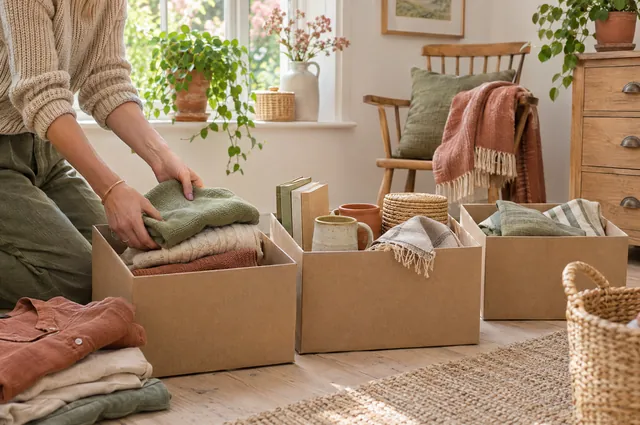
 Decluttering
 Room Organisation
 Storage Solutions
 Small Spaces
 Cleaning & Home Routines
 Product Guides
Decluttering
Decluttering is not about owning as little as possible. It is about keeping the things you use and love, and making room for the life you actually live. These guides break the job into small, achievable steps.
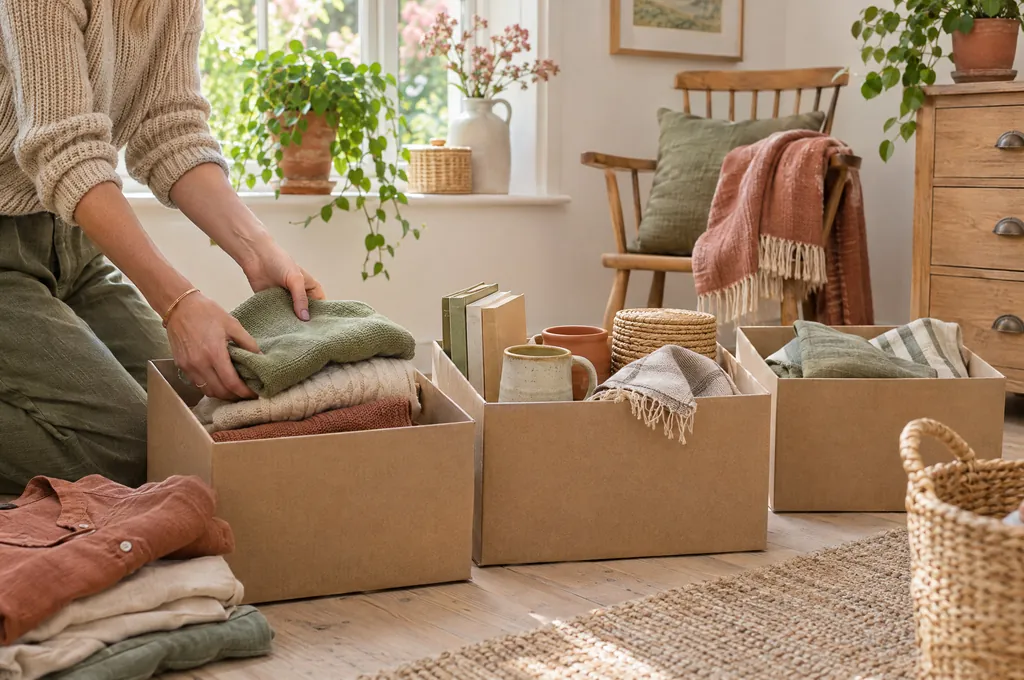
How to declutter your home
The most reliable way to declutter is also the least glamorous: one room, one area, finished properly before you move on. Flitting between rooms spreads the mess around the house and makes the job feel endless.
Set aside a realistic block of time, gather a few boxes and work through each area in the same order.
- Choose one room, then one area within it, such as a single cupboard or a set of shelves.
- Take everything out so you can see exactly what you have. The space will look worse before it looks better.
- Sort into four piles: keep, belongs elsewhere, donate or sell, and recycle or bin.
- Put back only what you use or love, storing like with like.
- Take donations and recycling out of the house the same day, so nothing creeps back.
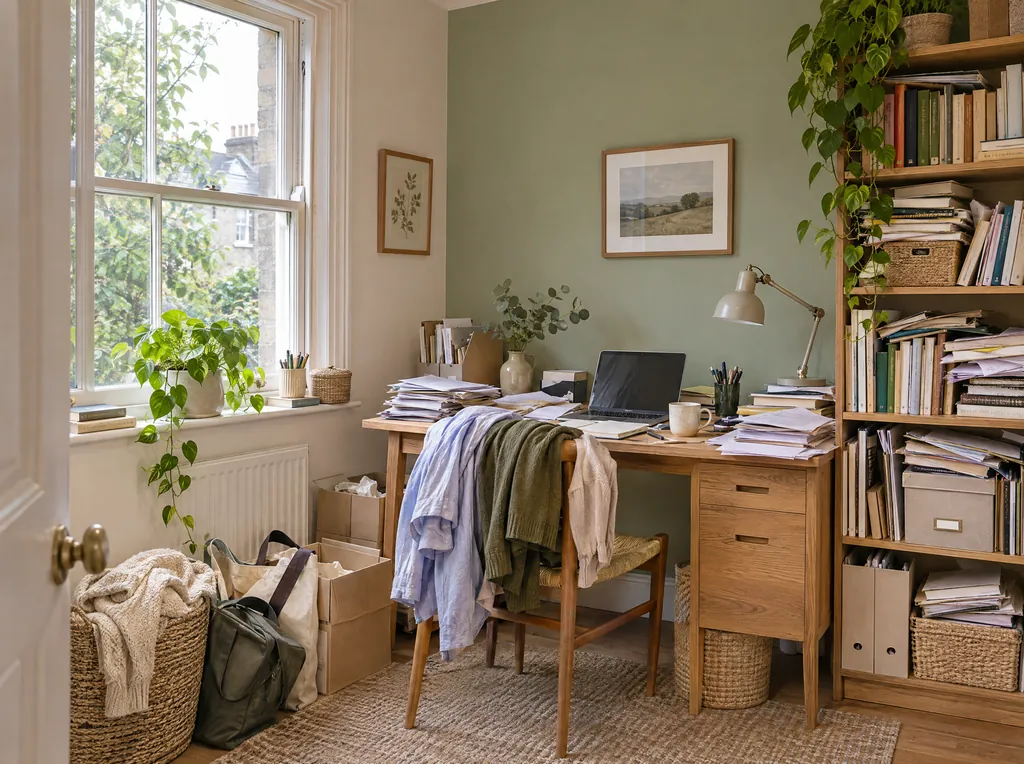
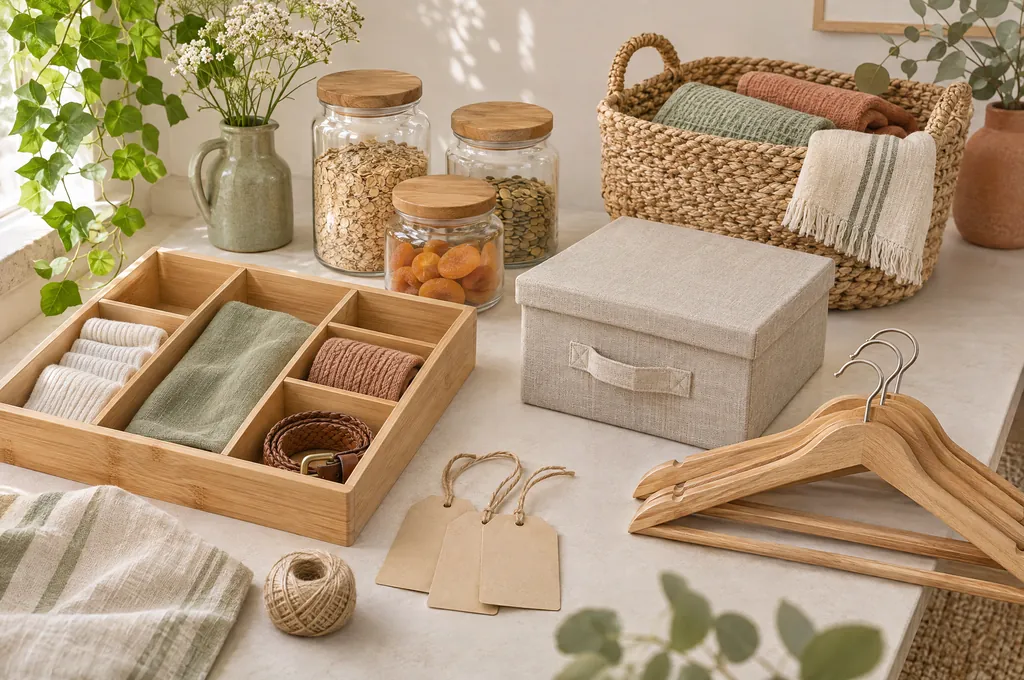
Illustrative images, not a client project.
Read now: How to Declutter Your Home Fast: A Practical Quickstart Guide
Guides in this topic: Decluttering a bedroom, a kitchen, a living room and a wardrobe; a 30-day plan; decluttering before you move or sell.
Getting rid of things you no longer need
Most people find it harder to let things go than to tidy them. A useful question is simply: do I use this, or do I love it? If the honest answer is neither, it is taking up space that could be working harder for you.
Sentimental items deserve more care. Keep the best examples rather than everything, photograph pieces you want to remember but do not need to store, and give heirlooms to family members who will treasure them.
- Wedding presents you never liked and clothes that do not suit you can go without guilt.
- Donate, sell or recycle: decide where each item is going before you start, so piles do not linger.
- Clearing a loved one's home is a different task. Go gently and do not rush the decisions.
Read now: Clearing House: Getting Your Parents’ House in Order After Their Death
Guides in this topic: Sentimental items, donating furniture and clothes, selling online, books, toys and paperwork.
Minimalist living, the realistic way
Minimalism does not have to mean bare walls and a single chair. For most households it simply means owning fewer, better things and knowing where they all live. A home with less in it is quicker to clean, easier to keep tidy and calmer to come back to.
Start with the one in, one out rule: when something new comes into the house, something similar leaves.
Guides in this topic: Capsule wardrobes, minimalism with children and the one in, one out rule.
Decluttering challenges
If a whole-house declutter feels like too much, a challenge gives you a structure and a finish line. Fifteen minutes a day is enough to make visible progress, and small daily wins are easier to keep up than one exhausting weekend.
- The 15-minute declutter: set a timer, clear one surface or drawer, stop when it rings.
- The 30-day challenge: one small area each day for a month.
- The 52-week plan: one area each week, so the whole home is covered in a year.
Guides in this topic: Daily, monthly and yearly decluttering plans, and the minimalism game.
How to stop clutter coming back
Clutter usually comes back through the same few doors: post, shopping, gifts and things that never had a proper home. Deal with post as it arrives, think twice before buying duplicates, and make sure every item you keep has a place to go back to.
A short reset at the end of each day does more than an occasional big tidy.
Read now: Decluttering vs. House Clearance: Which One Do You Need?
Guides in this topic: Why clutter builds up, handling incoming items, and when a house clearance makes more sense than a declutter.
Latest in Decluttering
All articles
Decluttering vs. House Clearance: Which One Do You Need?
How a declutter differs from a full house clearance, and how to decide which one your home needs.
How to Declutter Your Home Fast: A Practical Quickstart Guide
Short on time? A practical quickstart for clearing clutter quickly, one small step at a time.
Clearing House: Getting Your Parents’ House in Order After Their Death
Gentle, practical guidance on sorting a parent's home: what to keep, donate, sell or recycle.
Explore more topics
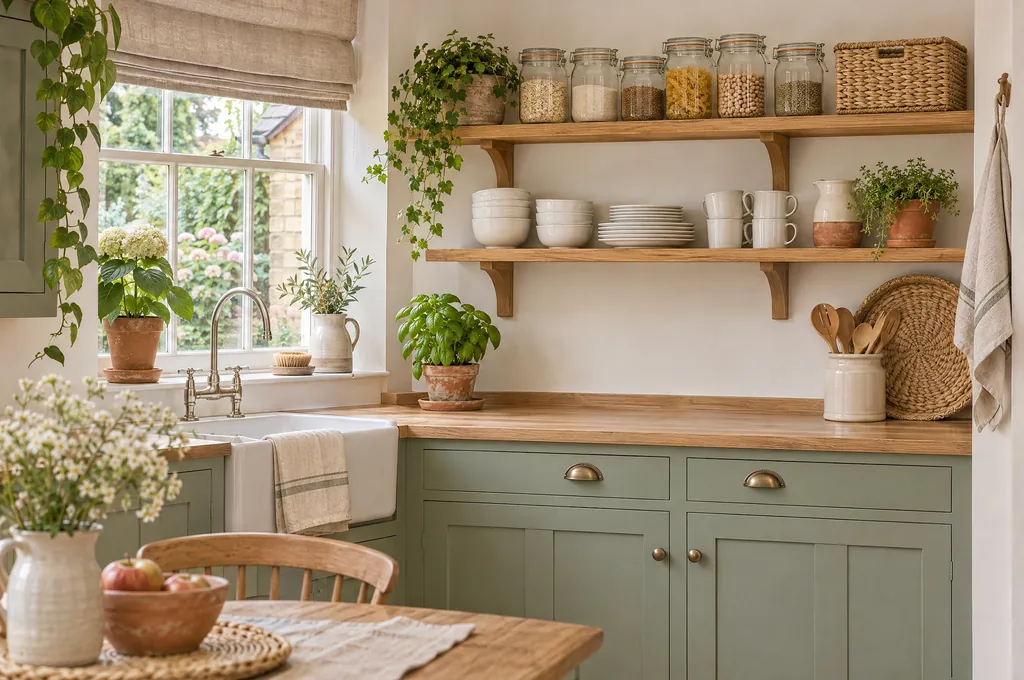 Room OrganisationPractical guides for every room in the house.
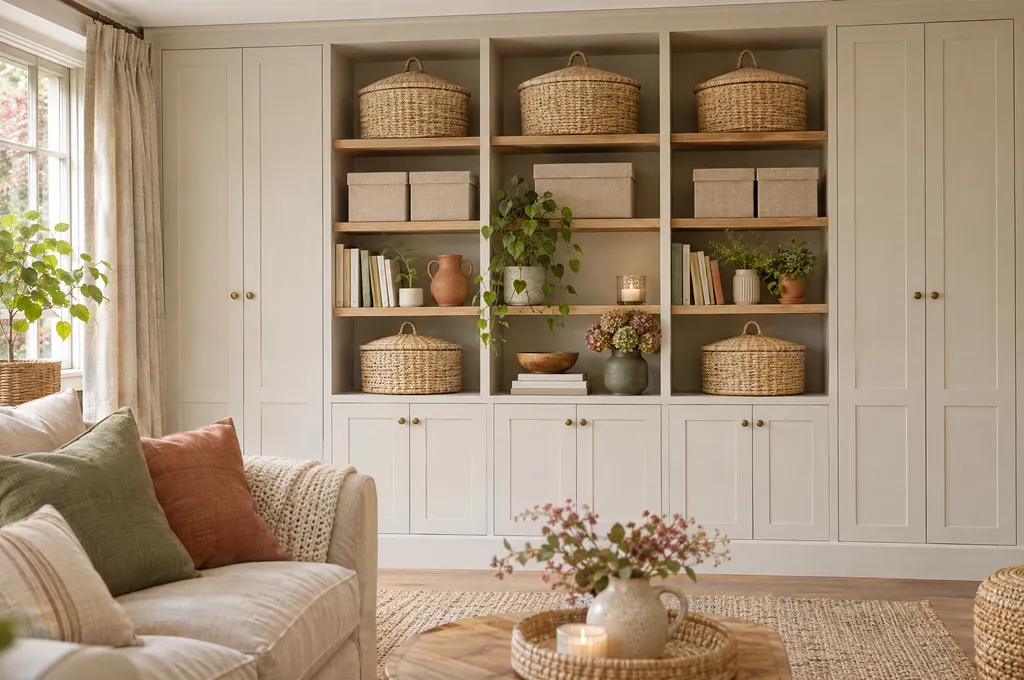 Storage SolutionsClever ideas that make every cupboard work harder.
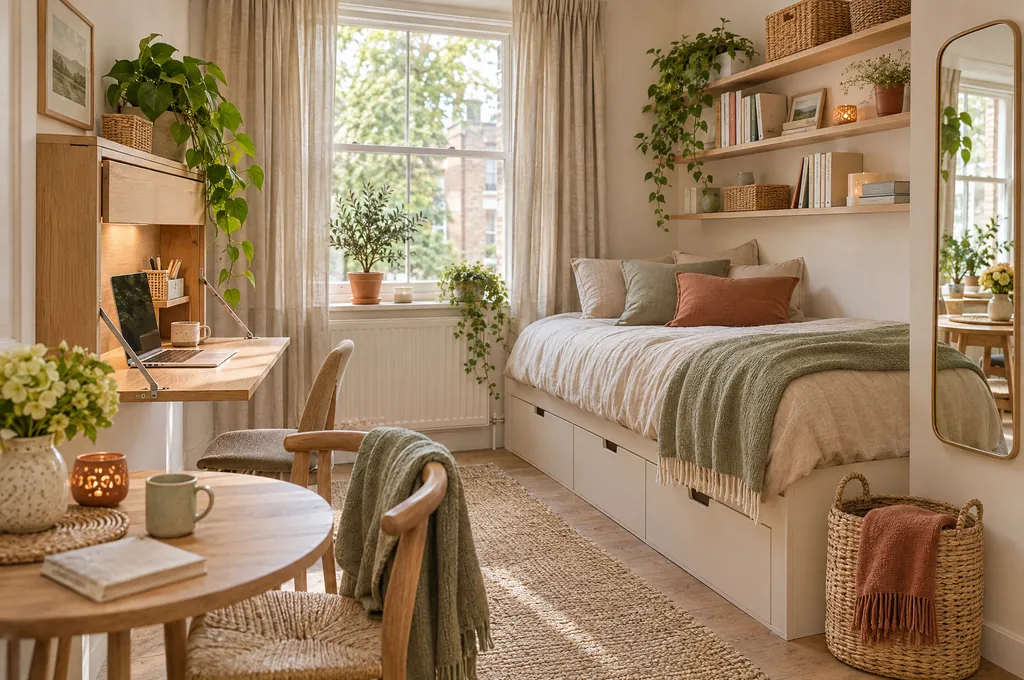 Small SpacesMake a compact home feel calm and spacious.
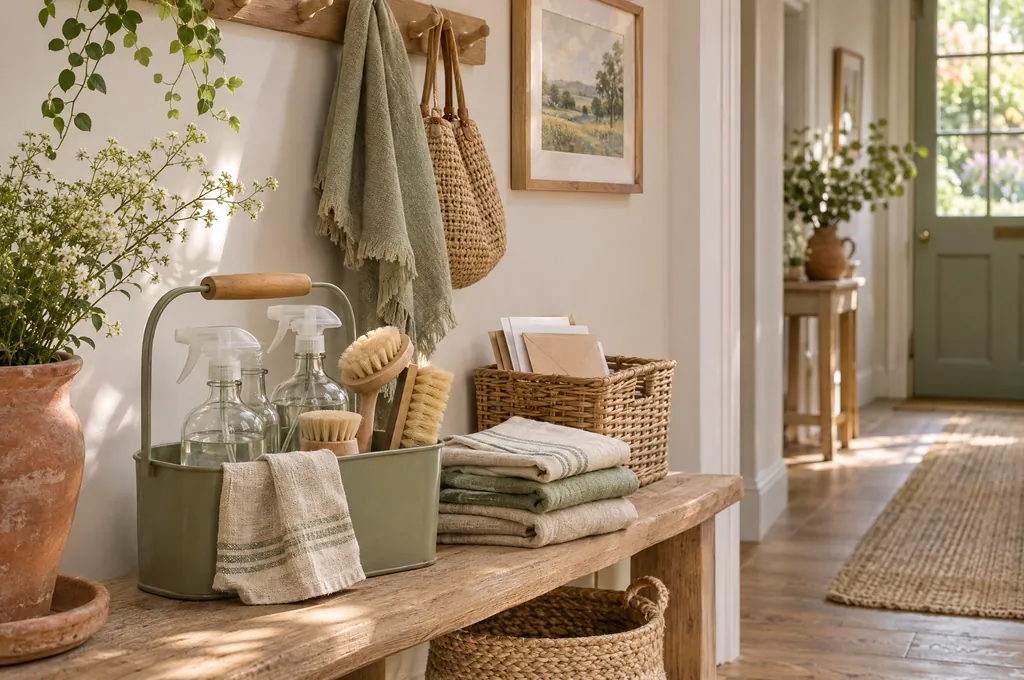 Cleaning & Home RoutinesSmall routines that keep a home tidy for good.
 Product GuidesWhat to look for before you buy storage.