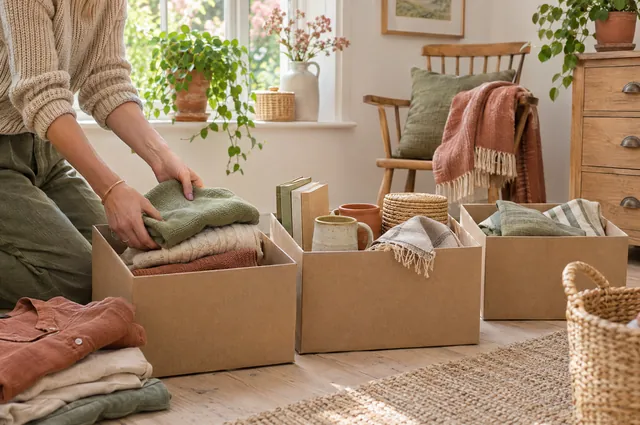
 Decluttering
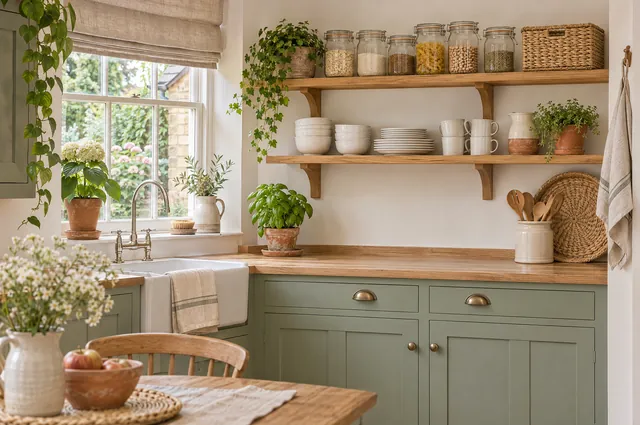 Room Organisation
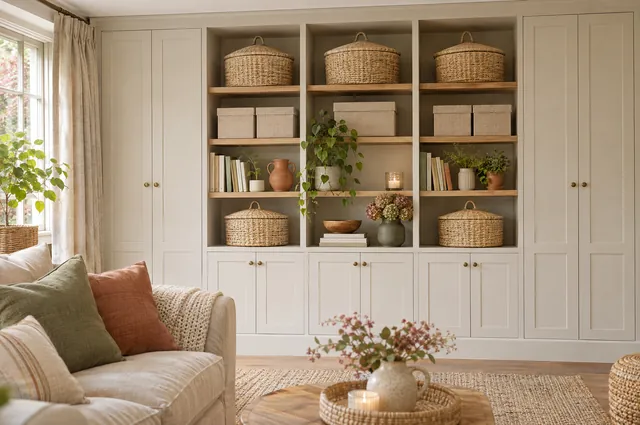 Storage Solutions
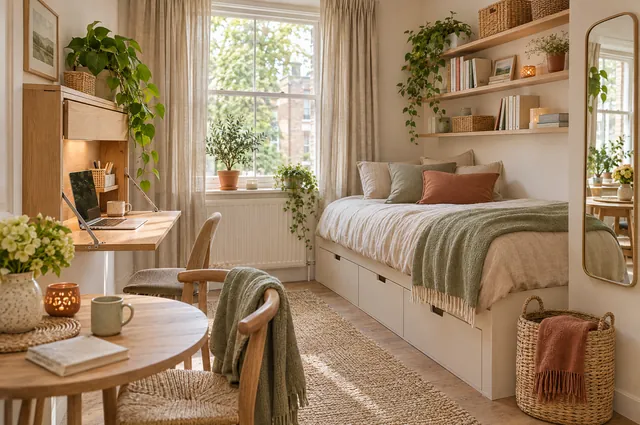 Small Spaces
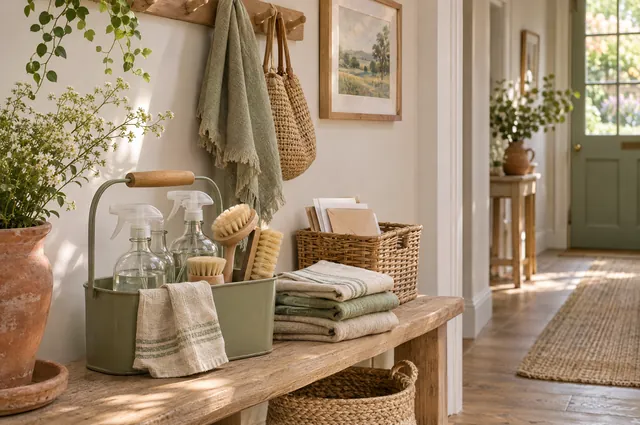 Cleaning & Home Routines
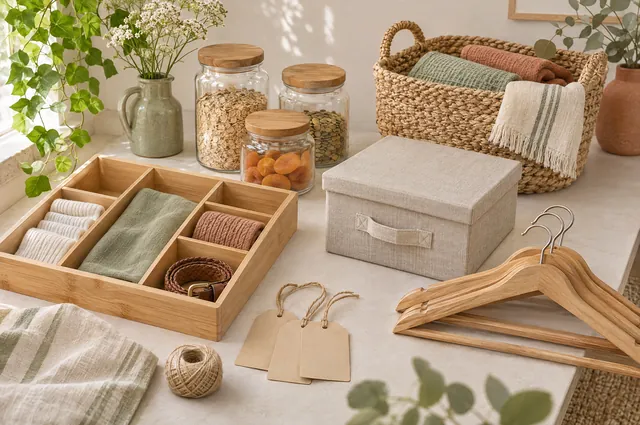 Product Guides
Room organisation
Every room has its own job and its own kind of clutter. Work through your home room by room, starting with the space that bothers you most, and give everything a place close to where it is used.
Kitchen organisation
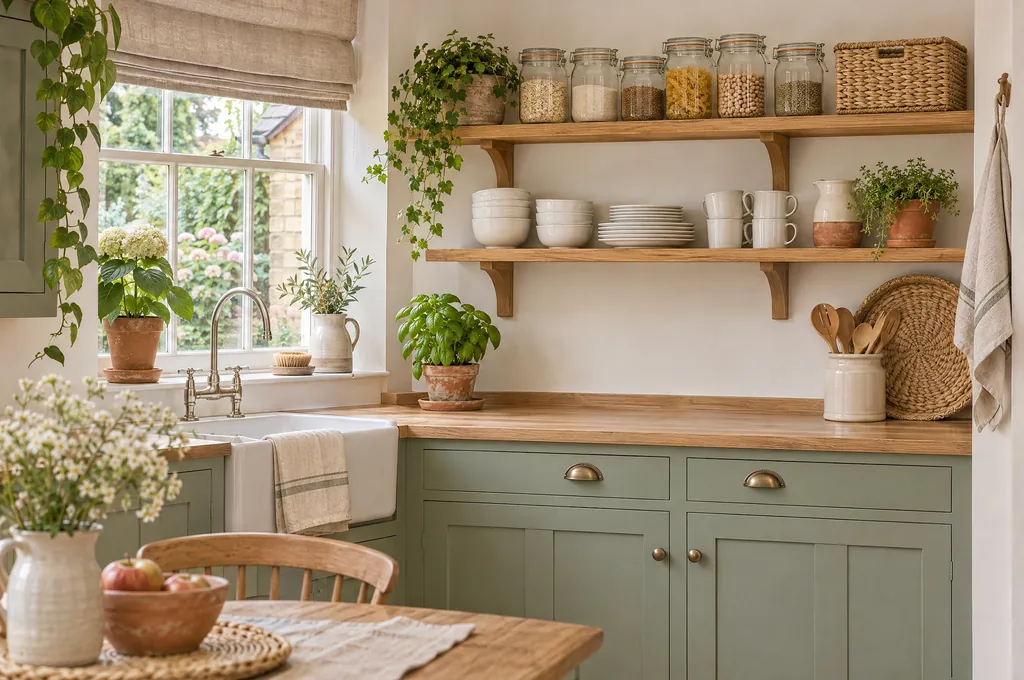
A well organised kitchen is arranged around what you do in it. Keep everyday items between hip and shoulder height, close to where they are used: mugs near the kettle, pans near the hob, chopping boards near the prep space.
Clear the worktops of anything you do not use every day. The fewer things on show, the easier the kitchen is to wipe down and the larger it feels.
- Organise cupboards by zone: cooking, baking, food storage, cleaning.
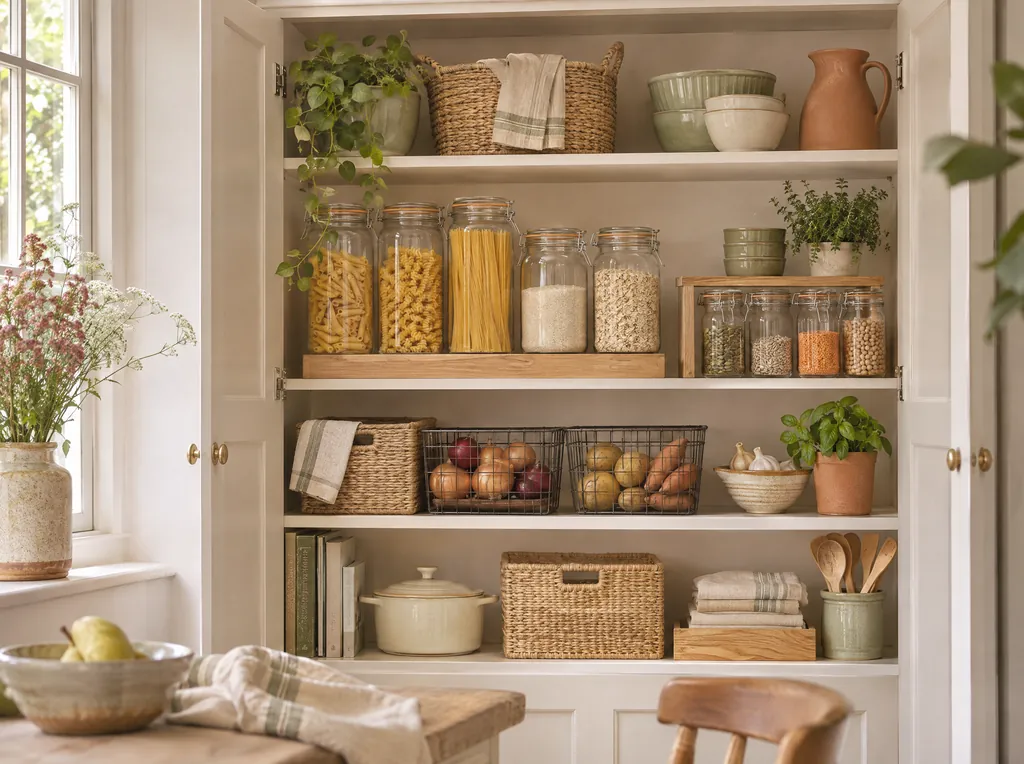
- Decant dried food into clear jars so you can see what you have before you shop.
- Use drawer dividers to stop utensils turning into a jumble.
- Keep the cupboard under the sink for cleaning supplies only, in a caddy you can lift out.
Guides in this topic: Kitchen cupboards, pantries, drawers, under the sink, the fridge and food containers.
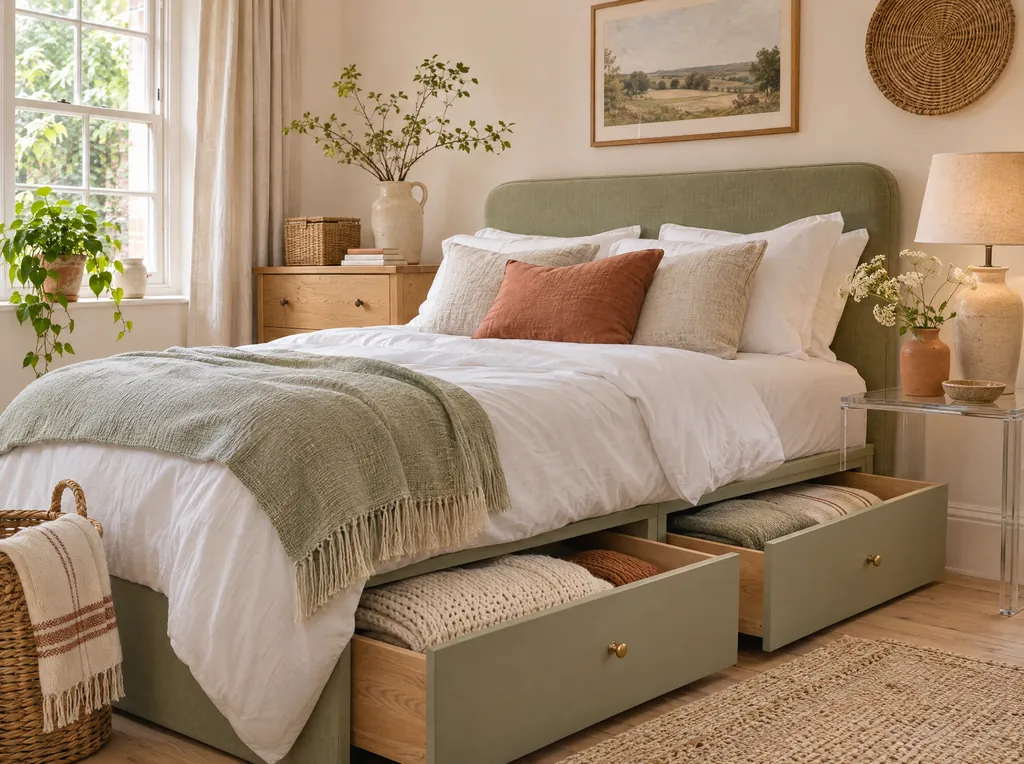
Bedroom organisation
The bedroom should be the calmest room in the house. Keep surfaces clear, store clothes where they belong rather than on a chair, and limit the bedside table to what you need at night.
Under-bed drawers or boxes are ideal for spare bedding and out-of-season clothes, as long as you can reach them easily.
- Give clothes that are worn once but not ready to wash a single hook, not a chair.
- Fold clothes upright in drawers so you can see everything at a glance.
- In a child's room, keep toys low and in open baskets they can tidy themselves.
Guides in this topic: Chests of drawers, children's and shared bedrooms, and bedside tables.
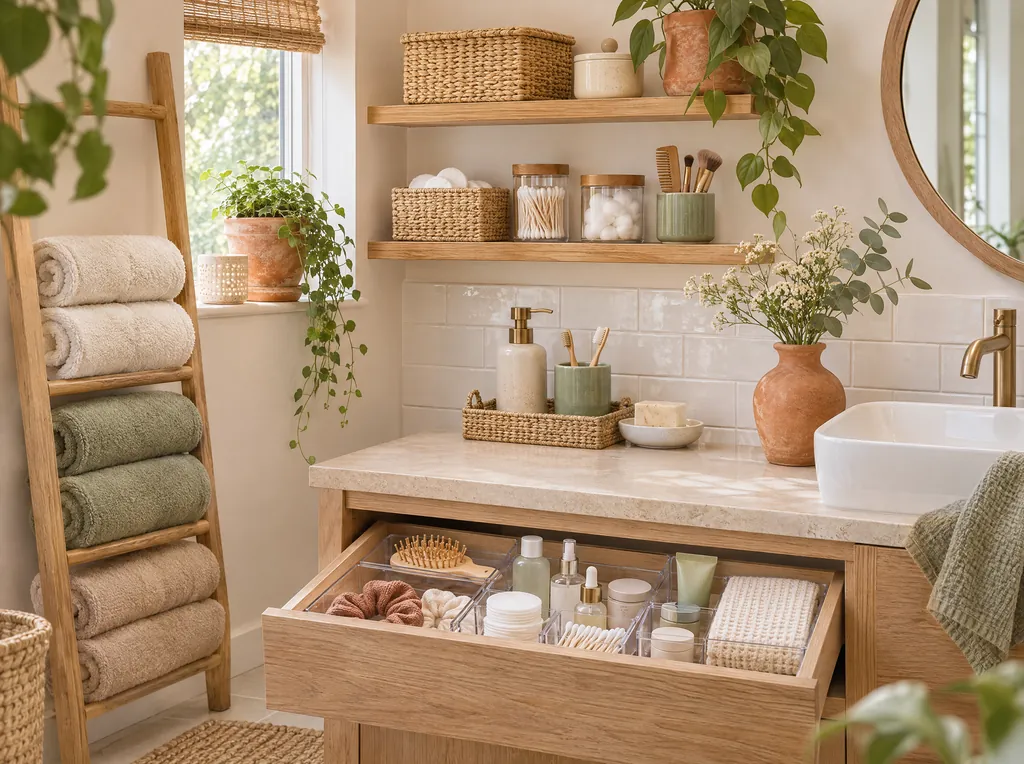
Bathroom organisation
Bathrooms collect half-used bottles faster than any other room. Gather every product in one place, check dates, and finish or discard duplicates before buying more.
Store daily essentials within reach of the basin and keep spares together in one cupboard so you always know what you have.
- Use clear dividers in drawers for small items such as hair ties and make-up.
- Roll towels to fit more on a shelf and make them easy to grab.
- Keep medicines in a lidded box, out of reach of children.
Guides in this topic: Cabinets and drawers, make-up and skincare, and the linen cupboard.
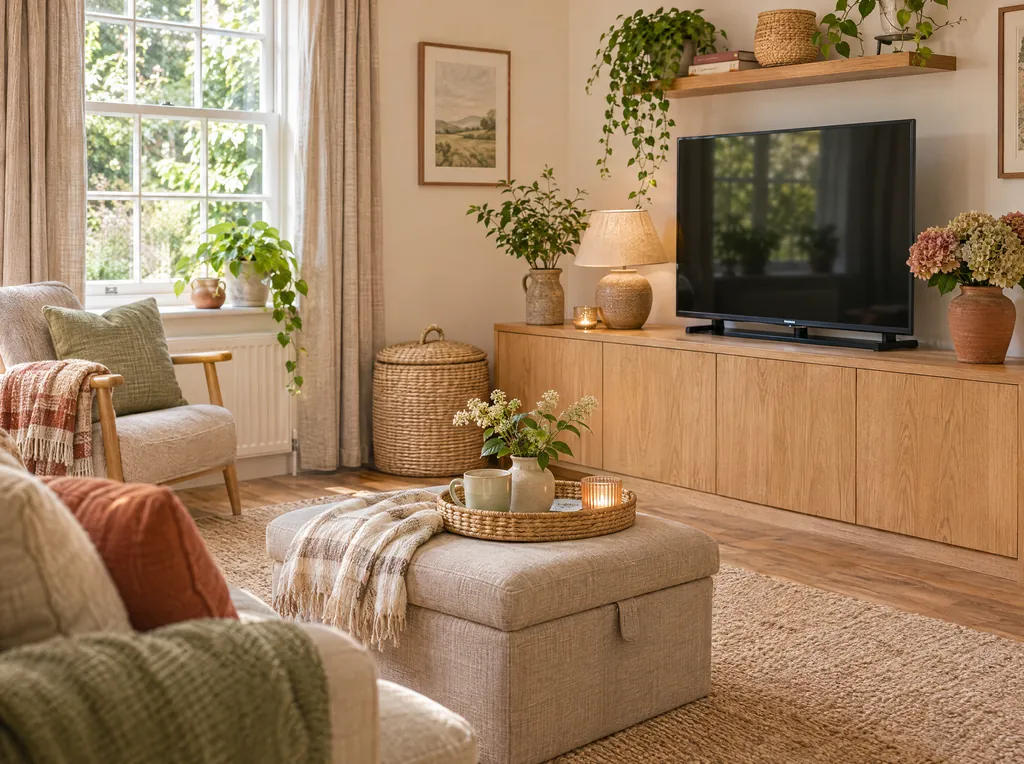
Living room organisation
The living room has to work for everyone, from evening films to children's games. Closed storage is your friend here: a media unit with doors or a storage ottoman hides the everyday clutter in seconds.
- Give toys one lidded basket that is cleared every evening.
- Tidy cables and chargers into a single drawer or box with holes for the leads.
- Keep bookshelves to about two thirds full so they look calm rather than crammed.
Guides in this topic: Toy storage, cables and chargers, and bookshelves.
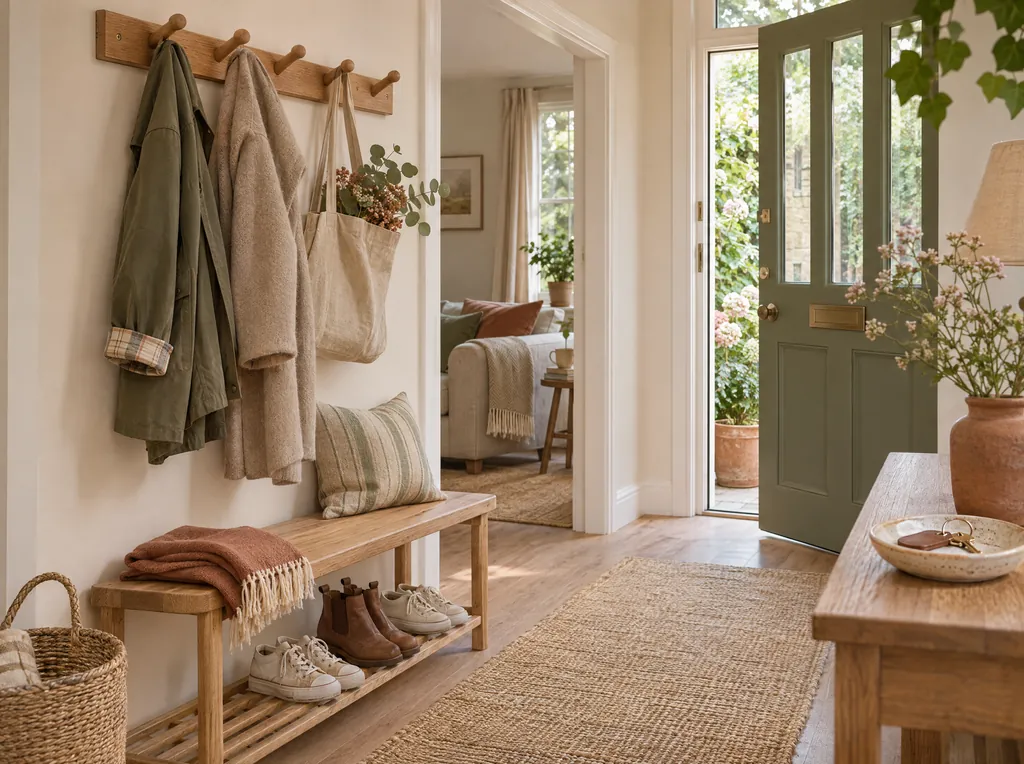
Hallway organisation
The hallway sets the tone for the whole house, and it is where clutter first arrives. A row of hooks, a bench with shoe storage and a dish for keys will deal with most of it, even in a narrow space.
- Allow one hook per person for the coat they wear most, and store the rest elsewhere.
- Create a drop zone for keys, post and bags so they stop spreading through the house.
- Keep only the shoes in current use by the door.
Guides in this topic: Shoe storage, drop zones, and coats, bags and school kit.
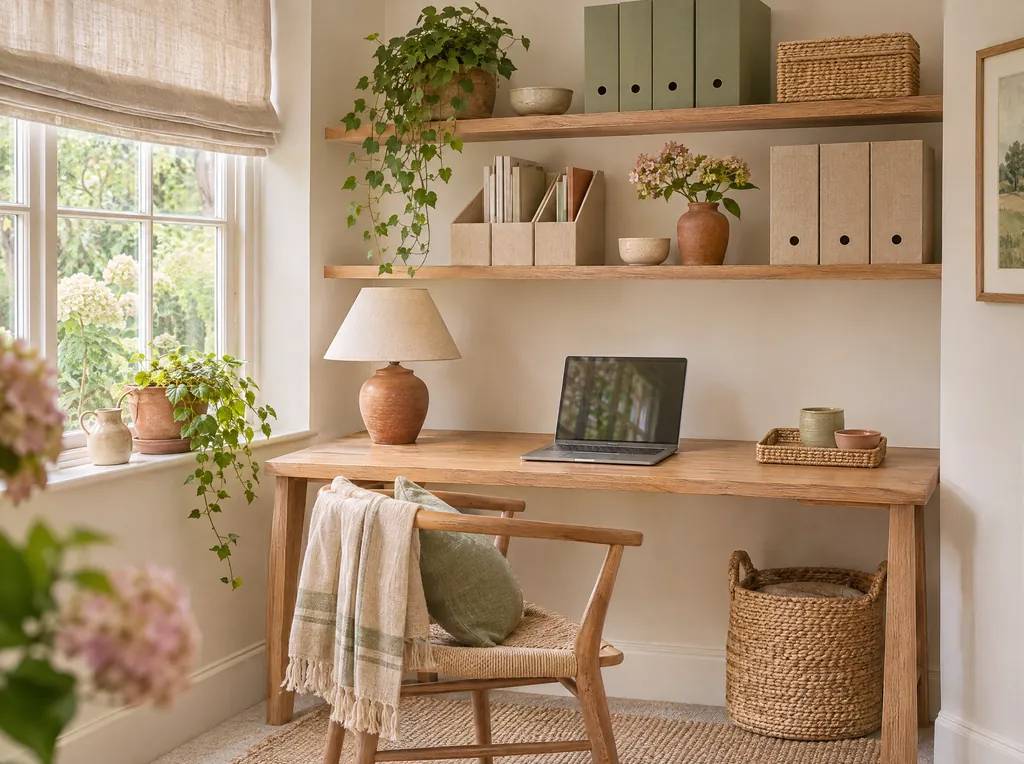
Home office organisation
Whether it is a whole room or a corner of the bedroom, a workspace works best when the desk is kept clear for the task in hand. Paperwork needs a simple system: deal with it, file it or recycle it.
- Keep only what you use daily on the desk itself.
- Use matching box files with clear labels for household paperwork.
- Hide cables along the back of the desk with clips or a tray.
Guides in this topic: Desk organisation, small home offices and a simple filing system.
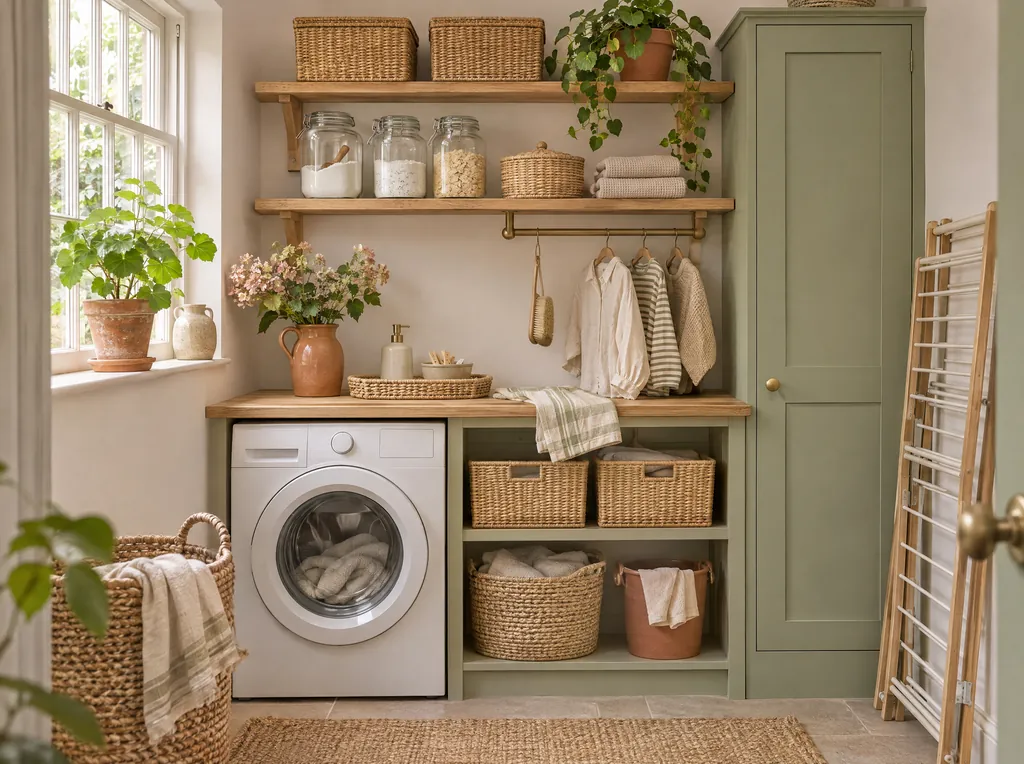
Garage and utility room organisation
Utility rooms and garages become dumping grounds because they are out of sight. Shelving up the walls, lidded baskets and a clear floor make them far more useful, and it becomes obvious when something has been left out.
- Store laundry supplies above the machine and keep the worktop clear for folding.
- Use wall racks in the garage for tools, bikes and garden equipment.
- Group cleaning products into a caddy you can carry from room to room.
Guides in this topic: Garage wall storage, laundry areas and cleaning cupboards.
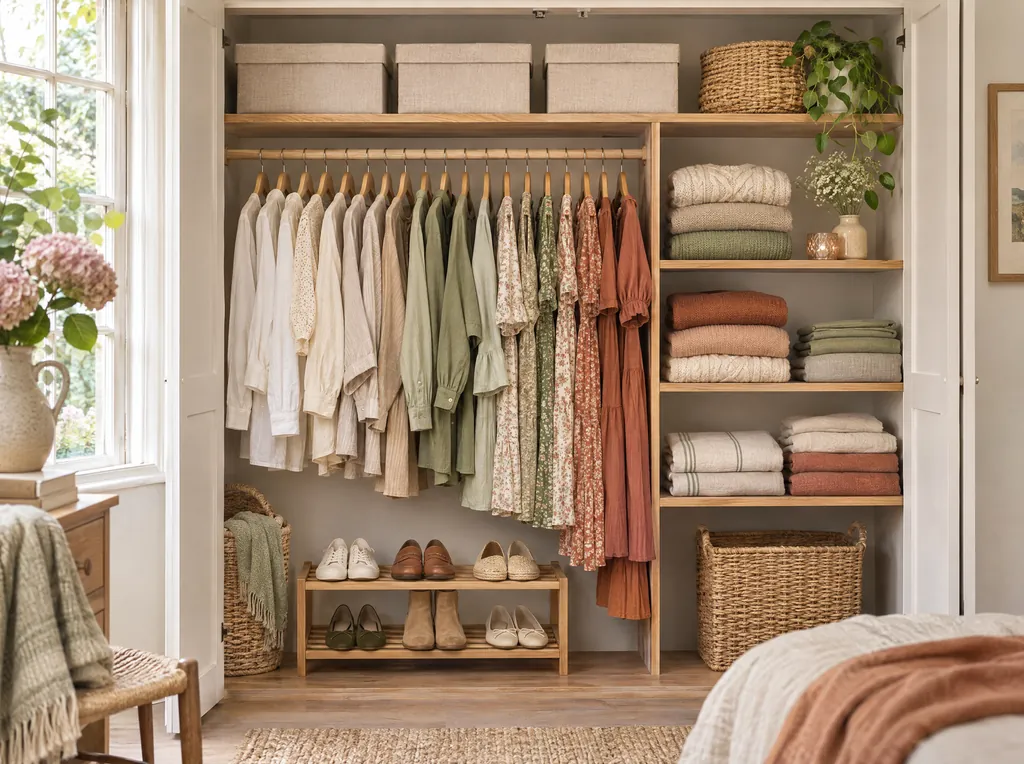
Wardrobe organisation
A good wardrobe makes getting dressed quick and easy. Start by taking everything out, keep what fits and what you wear, then hang and fold by type. Matching slim hangers alone can free up a surprising amount of rail space.
- Hang clothes by type, then by colour, so outfits are easy to see.
- Store out-of-season clothes in boxes on the top shelf or under the bed.
- Keep shoes paired on a low rack rather than in a pile.
Guides in this topic: Folding to save space, seasonal clothes storage, and shoes and bags.
Explore more topics
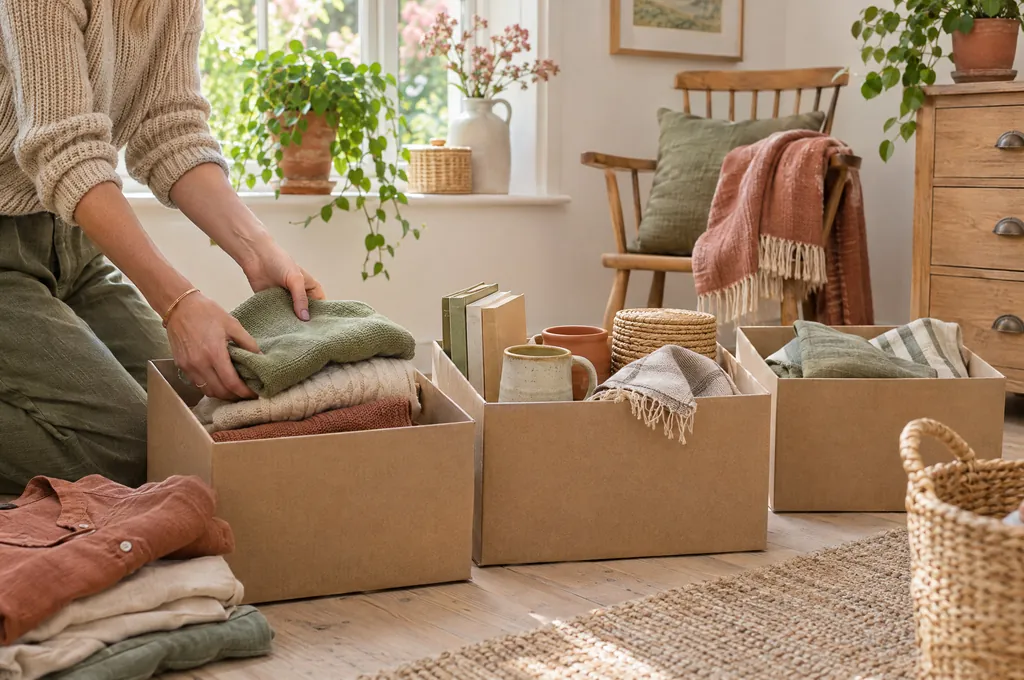 DeclutteringWhere to start, what to keep and how to let go.
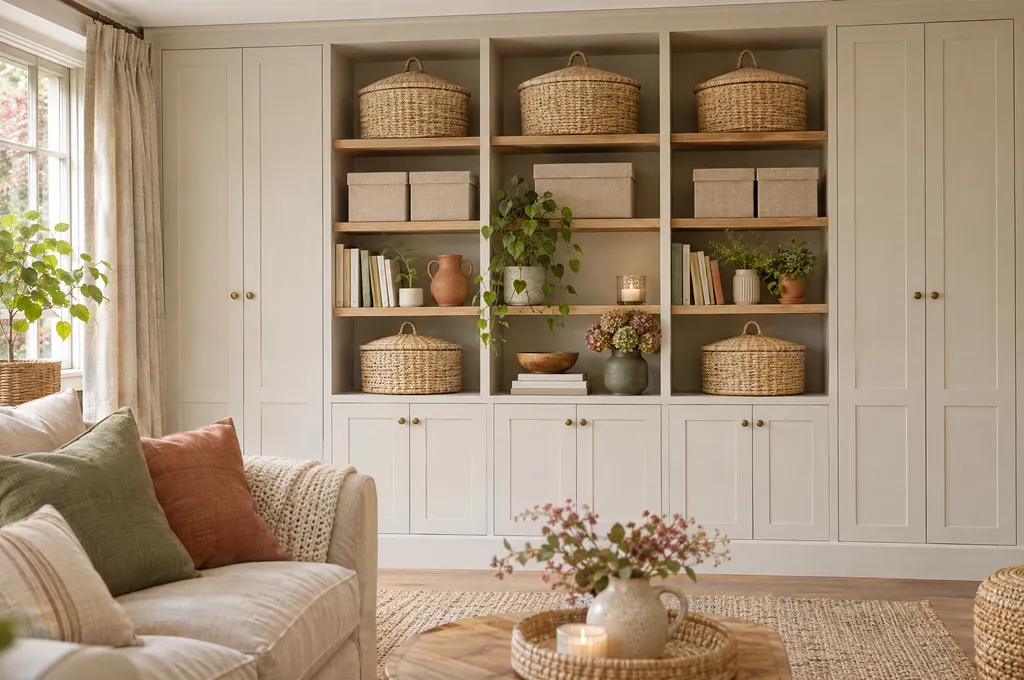 Storage SolutionsClever ideas that make every cupboard work harder.
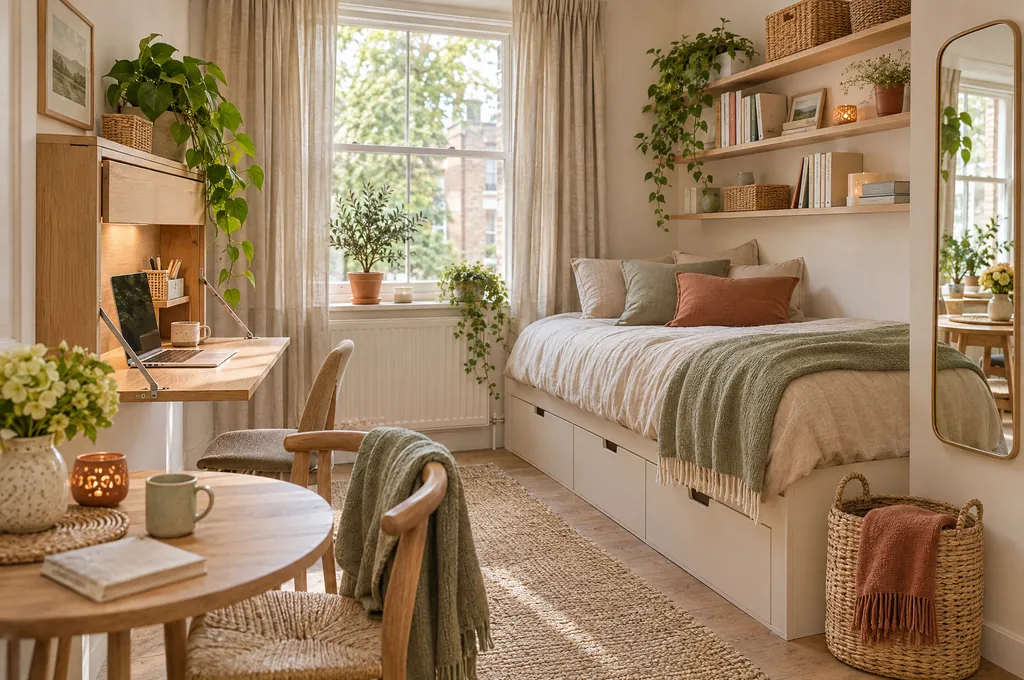 Small SpacesMake a compact home feel calm and spacious.
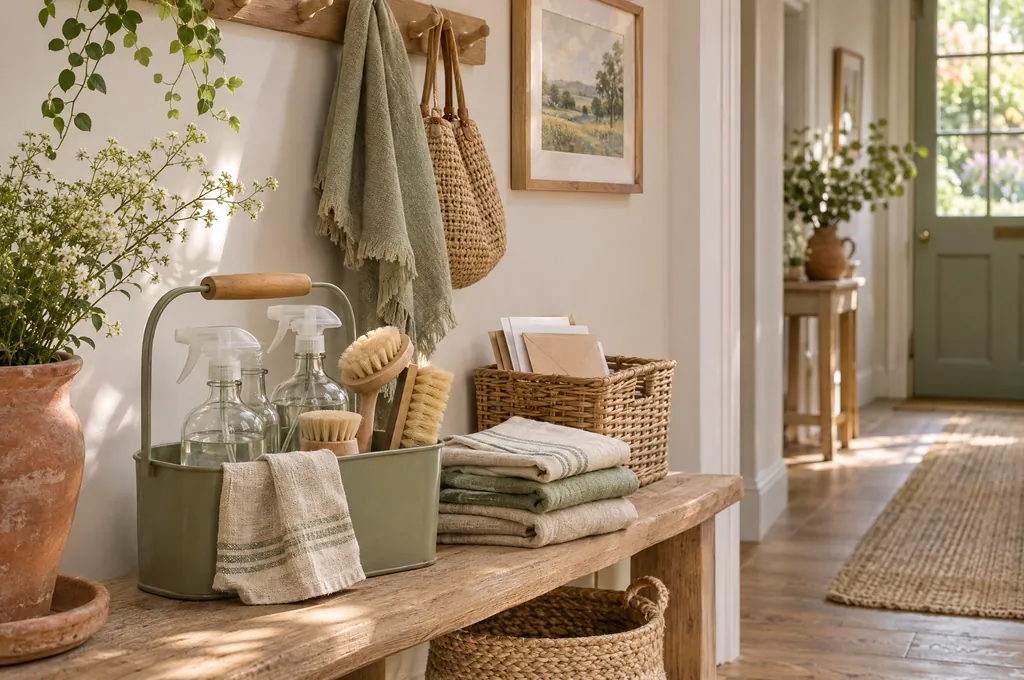 Cleaning & Home RoutinesSmall routines that keep a home tidy for good.
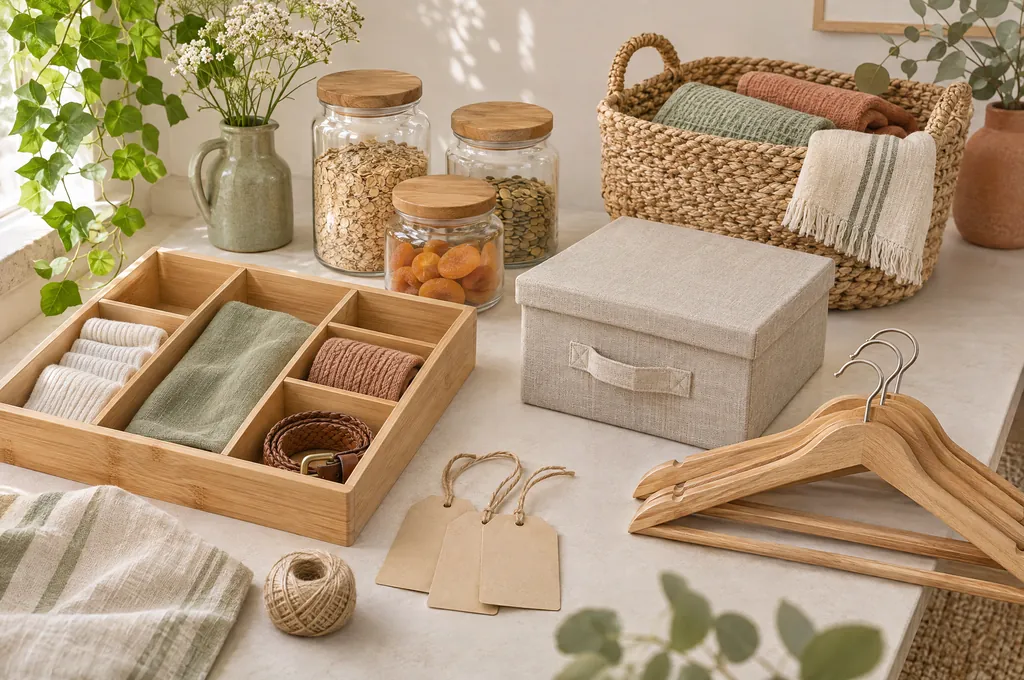 Product GuidesWhat to look for before you buy storage.