 Decluttering
 Room Organisation
 Storage Solutions
 Small Spaces
 Cleaning & Home Routines
 Product Guides
Do You Need to Tidy Before a Professional Organiser Comes?
Why you should leave the mess where it is, the few things that genuinely help, and what happens on the day.
Quick answer: No. A professional organiser needs to see your home as it really is, so they can understand how you live and where things go wrong. Tidying beforehand hides the problems you want help with and wastes your energy. The only things worth doing are clearing a path to the areas you want to work on and thinking about what you would like to achieve.
In this article
It is one of the most common worries people have before booking a professional organiser: "I cannot let anyone see the house like this." Many people admit to cleaning, tidying and hiding things in cupboards before the first visit. It is completely understandable, but it is also the one thing you do not need to do. This guide explains why, what does help and what to expect on the day.
Why you should not tidy first
The organiser needs to see how you really live
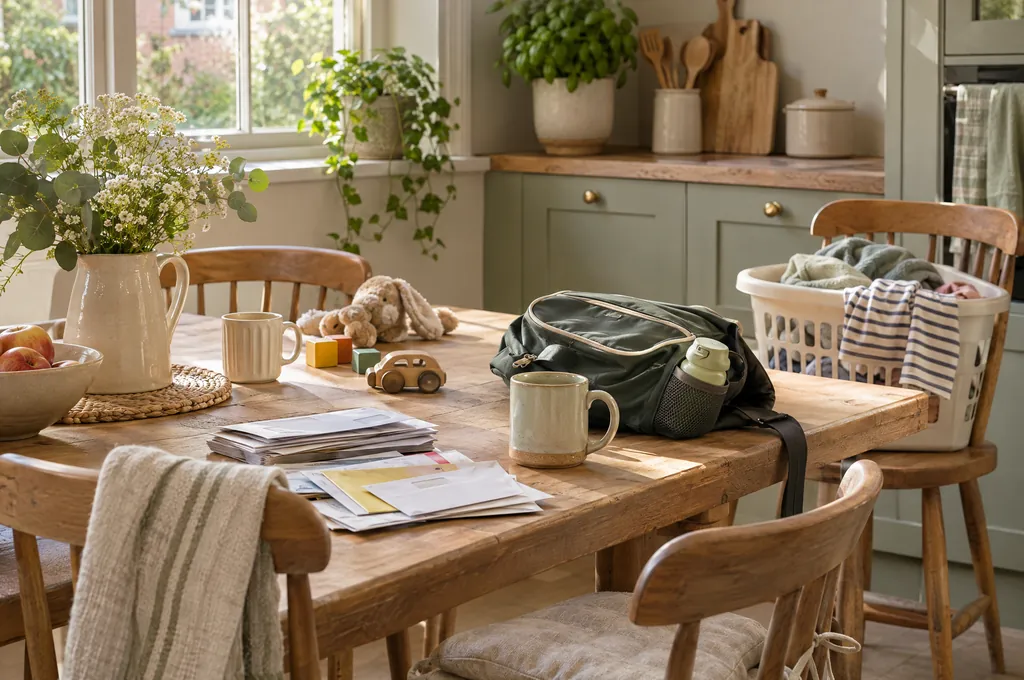
Clutter tells a story. A pile of post by the door shows that your paperwork system is not working. Shoes in the hall show you need storage where you take them off. Clothes on a chair show that your wardrobe is too full or badly arranged. If you tidy everything away first, those clues disappear, and any system the organiser designs may not fit the way you actually use your home.
Hidden clutter is still clutter
Pushing things into cupboards or under beds before a visit only moves the problem, and it often makes it worse. The organiser will want to look inside those cupboards anyway.
You are paying for their time
Professional organisers in the UK usually charge by the hour. The more of their time you spend on work you could have done together, the less value you get from the session.
It wastes your energy
Decluttering takes effort and decision-making. Spending that energy on a quick tidy the night before means you have less to give when the real work starts.
Will they judge me?
A good professional organiser will not judge you. They have seen homes of every kind and know that clutter builds up for all sorts of reasons: a busy job, young children, a bereavement, illness, a move, or simply never having been shown how to organise. Members of APDO, the UK's professional association for declutterers and organisers, agree to uphold a code of ethics.
Many people feel enormous relief once they have let someone in. The hardest part is usually making the call.
What does help before the first session
- Think about your goals. What bothers you most? What would a good result look like? Is there a deadline, such as a house move or a new baby?
- Choose where to start. One room or area that frustrates you every day is usually the best place to begin.
- Clear a path. Make sure you can both get into the room and move around safely.
- Make a note of what does and does not work. For example, "I can never find matching lids" or "the kids' school things end up on the kitchen table."
- Tell the organiser about anything important, such as health conditions, pets or items that must not be moved.
- Do not buy storage yet. It is much better to declutter first and then buy only what you need.
What happens at the first session
Every organiser works slightly differently, but a first session often includes:
- A walk round the area you want to work on, and a conversation about how you use it
- Agreeing your goals and priorities
- Starting the hands-on work, usually by taking everything out of one area and sorting it into categories
- Making decisions together about what to keep, donate, sell or recycle, with the final say always yours
- Putting back what you are keeping in a way that makes sense for your routine
- Taking donations away or agreeing how they will leave the house
Some organisers also offer a separate consultation before any hands-on work, either in person or by video call. Our guide to virtual decluttering sessions explains how these work.
Romaine's tip: If you cannot resist doing something, do the washing up and empty the bins, and stop there. A clear sink and an empty bin make the day more pleasant for everyone, without hiding anything the organiser needs to see.
Is a professional organiser the right help?
If what you need is regular dusting, hoovering and mopping, a cleaner may be a better fit. If your home feels chaotic, things do not have a place and you struggle to know where to start, an organiser is the right choice. Our guide to the difference between a professional organiser and a cleaner explains more.
Working with The Clutter Clinic
Our personal organising service offers practical, hands-on help, from a single wardrobe to the whole house, and we never expect you to tidy before we arrive. If you are helping a parent, read how to help elderly parents declutter. When you are ready, send us an enquiry.
Frequently asked questions
Should I clean before a professional organiser comes?
No. There is no need to clean or tidy. The organiser needs to see your home as it normally is.
Are professional organisers judgemental?
A good organiser is not. They work with homes of every kind and understand the many reasons clutter builds up.
What should I do before a professional organiser arrives?
Think about your goals, choose a starting point and clear a safe path into the room. That is all.
Do professional organisers throw things away?
Not without your agreement. You make the decisions about your belongings, and the organiser helps you decide and arranges for donations and recycling to leave the house.