 Decluttering
 Room Organisation
 Storage Solutions
 Small Spaces
 Cleaning & Home Routines
 Product Guides
How Can You Help Elderly Parents Declutter Without Upsetting Them?
How to raise the subject, let them stay in charge, focus on safety and make the job easier for everyone.
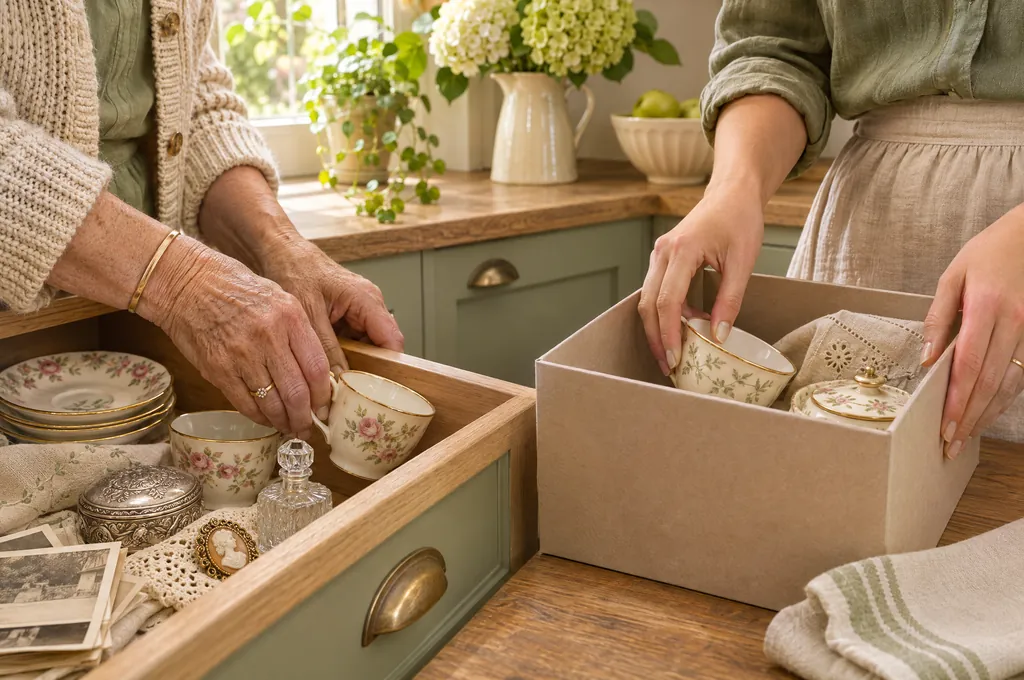
Quick answer: Start with a conversation, not a skip. Choose a calm moment, explain your reasons in terms of their safety and comfort, and let your parent make the decisions about their own belongings. Begin with one small, low-emotion area, work in short sessions, focus first on clearing trip hazards and blocked routes, and never throw anything away behind their back.
In this article
Many adult children reach a point where a parent's home starts to worry them. Perhaps the stairs are lined with piles of paper, the spare room can no longer be opened, or a move to a smaller home is on the horizon. Wanting to help is natural. But decluttering can feel very different to an older person, for whom their belongings may represent a lifetime of memories, independence and identity. This guide explains how to help without causing hurt.
Why it can be so hard for older people
- Memories. Objects connect people to their past, to partners who have died and to the people they used to be.
- Thrift. Many older people grew up being taught never to waste anything that might be useful one day.
- Control. As health and independence change, their home and possessions may be one of the few things they still feel in charge of.
- Tiredness. Sorting a whole house is physically and mentally draining at any age.
- Fear of what comes next. Decluttering can feel like the first step towards leaving their home.
Understanding this changes the conversation from "this all needs to go" to "how can we make your home easier and safer for you?"
How to start the conversation
- Pick the right moment. Choose a relaxed visit, not a stressful day or a time when you are rushing to leave.
- Talk about the benefits, not the mess. Clearer floors mean fewer trips and falls. An easier kitchen means less bending and reaching. Less to look after means more time for the things they enjoy.
- Ask, do not tell. Questions such as "Is there anything in the house that is getting harder to manage?" invite them to set the agenda.
- Listen to their worries. If they are anxious about losing things or being moved out of their home, take that seriously and reassure them.
- Do not expect to agree everything in one go. It may take several conversations before they feel ready.
Let them stay in charge
This is the most important rule. It is their home and their belongings, and they should make the final decision about every item. Your role is to support, encourage and do the heavy lifting.
- Never throw things away without asking. It destroys trust and can make them cling more tightly to everything else.
- Avoid words like "junk" and "rubbish". Something that looks worthless to you may be precious to them.
- Offer choices rather than ultimatums: "Would you like to keep this, give it to someone, or donate it?"
- Accept that some things you would get rid of will stay. That is fine.
Where to start
Begin with an area that has few emotional ties so you can build confidence and show how much better it feels:
- The bathroom cabinet, with out-of-date toiletries and medicines (take medicines back to a pharmacy)
- The kitchen, with chipped mugs, duplicate utensils and out-of-date food
- The coat cupboard or a single wardrobe
- Newspapers, magazines and junk mail
Leave photographs, letters and a late partner's belongings until much later, when trust has been built. Our guides to old photo albums and old letters and cards may help when you reach them.
Focus on safety first
If time is short, start with the things that could cause harm:
- Clear stairs, halls and routes between rooms of anything that could cause a trip.
- Make sure exits are not blocked, in case of fire.
- Keep the area around the cooker, heaters and fires clear of paper and fabric.
- Move everyday items to between waist and shoulder height so they can be reached without climbing or bending.
- Remove loose rugs and trailing cables.
Your local fire and rescue service may offer a free home fire safety visit, which can be a helpful, neutral way to talk about clearing exits and paper.
Keep sessions short and positive
Two hours is plenty for most people, and less may be better. Stop while it is still going well, finish with a cup of tea, and take donations away with you at the end of each session so nothing creeps back. Celebrate the progress, however small.
Romaine's tip: Ask your parent to tell you the story behind an object as you sort. It slows things down, but people often find it far easier to let something go once its story has been told and heard, and you will learn things about your family you never knew.
If they are downsizing
A move to a smaller home, sheltered housing or a care home gives a clear goal. Measure the new rooms and work out which furniture will fit before you sort anything else. Encourage them to choose the pieces they love most, and to offer other items to family. Our guide to inherited furniture covers selling and donating larger pieces, and charities that collect furniture in Glasgow lists free collection options.
Getting the family on the same page
Disagreements between siblings can make everything harder. Agree among yourselves beforehand that your parent's wishes come first, that nobody takes anything without asking, and how heirlooms will be shared fairly. If there is a lot at stake, it may be wise for your parent to record their wishes in a will.
When to bring in a professional
Sometimes an outsider can do what family cannot. A professional organiser is neutral, patient and experienced in helping people make decisions without pressure. Our personal organising service works gently and at your parent's pace, in their home in Glasgow and the surrounding area, and our virtual sessions can support family members who live further away. If you are not sure what an organiser does, read the difference between a professional organiser and a cleaner.
If you are worried that a parent's hoarding may be linked to their health or memory, speak to their GP.
Frequently asked questions
How do I convince my elderly parent to declutter?
Focus on what they will gain, such as safety, ease and comfort, rather than on the mess. Ask questions, listen to their worries and let them make the decisions.
Should I throw things away without telling them?
No. It damages trust and often makes people more anxious about their belongings. Always ask first.
Where should we start decluttering a parent's house?
Start with low-emotion areas, such as the bathroom, kitchen or coat cupboard, and leave photographs and sentimental items until later.
Can a professional organiser help elderly parents?
Yes. A good organiser is neutral and patient, and can help your parent make decisions without the emotional pressure that family members sometimes bring.