 Decluttering
 Room Organisation
 Storage Solutions
 Small Spaces
 Cleaning & Home Routines
 Product Guides
What Can You Do With Inherited Furniture You Do Not Want?
How to find out what it is worth, the best ways to sell, donate or rehome it, and how to let go without guilt.
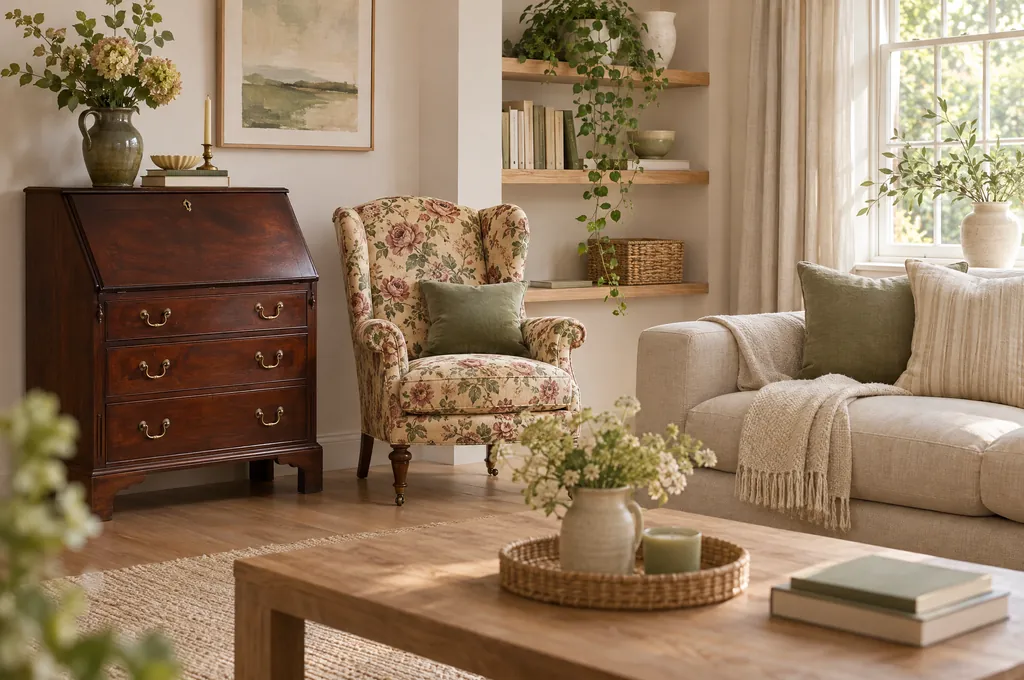
Quick answer: First, find out whether it has value: look for makers' marks, get photographs to a local auction house for a free valuation, and remember that most large, dark Victorian and mid-twentieth century furniture now sells for very little. Then sell anything valuable, offer pieces to family, donate good furniture to a charity that collects, upcycle a piece you like, and let the rest go without guilt.
In this article
Inheriting furniture can feel like a responsibility as much as a gift. A wardrobe your grandparents bought when they married, a bureau that stood in your parents' hall for forty years or a heavy dining suite that nobody has room for: these pieces carry memories, and getting rid of them can feel disloyal. This guide explains how to work out what inherited furniture is worth, your options for passing it on, and how to make peace with letting it go.
Is it worth anything?
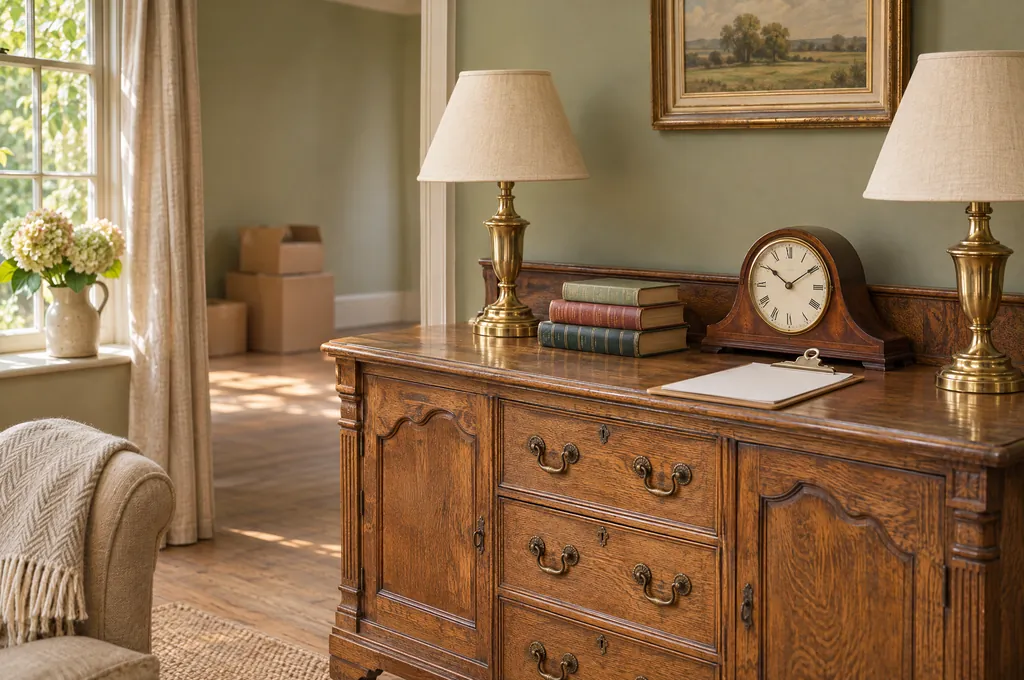
Many people are surprised to learn that much traditional brown furniture is worth far less now than it was twenty or thirty years ago. Large wardrobes, sideboards and dining sets in dark wood are plentiful, heavy and do not suit many modern homes, so demand is low. On the other hand, some pieces are sought after:
- Mid-century and designer furniture, particularly by well-known makers
- Small, good-quality antique pieces such as side tables, chests and bureaux
- Furniture by recognised makers, with a stamp, label or maker's mark
- Quality solid wood pieces in good condition that are easy to fit into a modern home
- Clocks, mirrors and decorative pieces
How to check
- Look for marks. Check inside drawers, on the back and underneath for stamps, labels or carved marks.
- Take good photographs from several angles, including any marks and damage, and measure the piece.
- Ask a local auction house. In Glasgow, Great Western Auctions, McTear's and Mulberry Bank all offer valuations, and you can often send photographs online or take smaller items to the saleroom.
- Check sold prices, not asking prices. Online auction results show what similar pieces actually sold for.
Your options for inherited furniture
Offer it to family first
Before anything leaves the house, ask relatives if they would like it. If you are the executor, make sure everyone has had the chance to choose, and keep a note of who took what. Our guide to what not to throw away when clearing a loved one's house covers the executor's role in Scotland.
Sell it
- At auction for anything with real value or a maker's mark.
- Through local online marketplaces for good-quality everyday furniture. Price realistically and expect buyers to collect.
- To a dealer or vintage shop if you want a quick sale, accepting that you will get less than at auction.
- As part of a house clearance, where some firms will reduce your bill for furniture they can resell. See do house clearance companies pay you.
Donate it
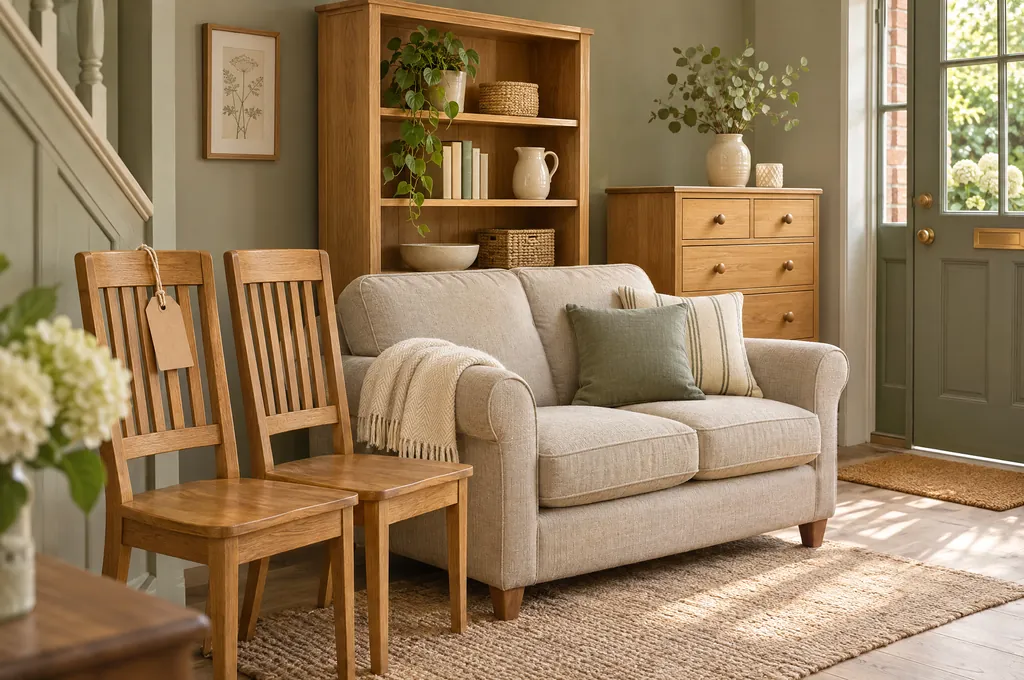
Good furniture can help someone else furnish a home. Several Glasgow charities collect for free, but upholstered pieces must have their fire labels and everything must be clean and complete. See our guide to charities that collect furniture in Glasgow.
Upcycle it
A dark wood chest of drawers can look completely different with a coat of paint, new handles or a waxed finish. Upholstered chairs can be recovered in a modern fabric. If you like the shape of a piece but not its look, upcycling lets you keep the memory in a form that suits your home.
Keep one piece
You do not have to keep the whole dining suite to honour the person who owned it. Many people keep one chair, a small table or the drawers from a bureau and let the rest go. A single piece used every day often means more than a room full of furniture in storage.
How to let go without guilt
It is common to feel that getting rid of inherited furniture means letting the person down. A few thoughts that may help:
- The memories are in you, not in the wardrobe.
- The person who owned it would almost certainly want you to have a home that works for you.
- Furniture that is sold or donated goes on to be used and loved, which is far better than sitting in a storage unit.
- Photographing a piece before it goes keeps the memory without the bulk.
Storage units are worth a special mention. Many families store inherited furniture while they decide what to do with it, and years later have paid more in storage fees than the furniture was ever worth. If you are tempted, set a firm time limit.
Romaine's tip: Ask yourself where the piece would go in your home and what job it would do. If you cannot answer both questions straight away, it is probably time to pass it on.
Clearing a whole house of furniture
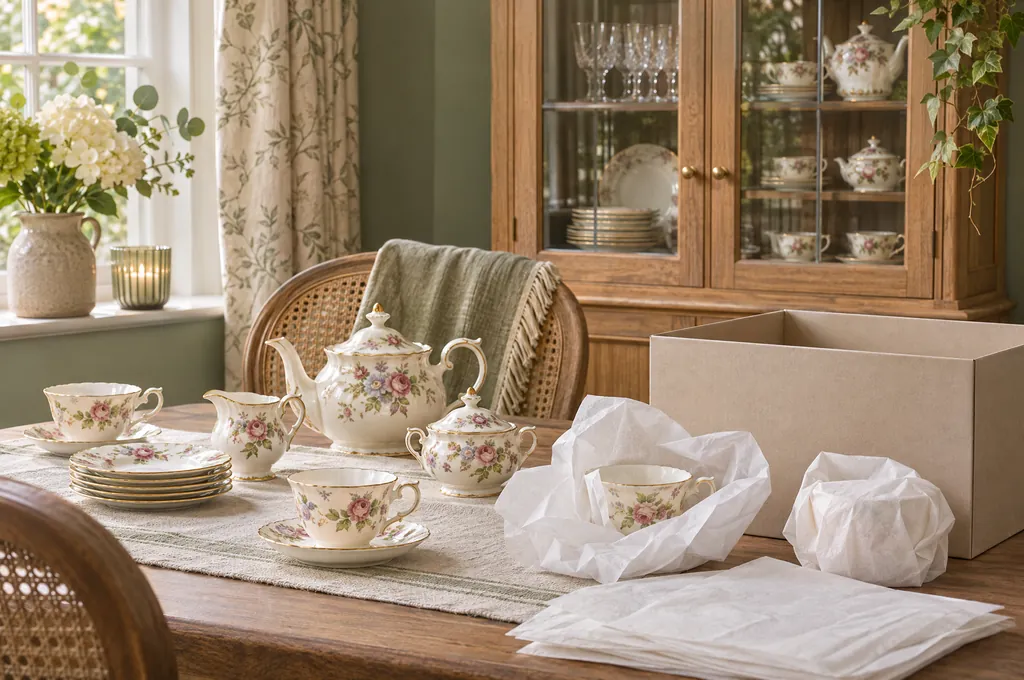
If you have inherited an entire house of furniture, it helps to tackle it in stages: family first, then valuable items, then donations, then a clearance for what remains. Our guides to your grandparents' old china and getting your parents' house in order may help, and we offer careful house clearances in Glasgow and Paisley when you are ready.
Frequently asked questions
Is old brown furniture worth anything?
Most large, dark wood furniture sells for very little today. Small, good-quality antique pieces, designer and mid-century furniture and pieces by known makers are the exceptions.
How do I get inherited furniture valued in Glasgow?
Local auction houses, including Great Western Auctions and McTear's, offer valuations. Send clear photographs and measurements, including any maker's marks.
Will a charity take old furniture?
Many will, if it is clean, complete and in saleable condition. Sofas and upholstered chairs must have their original fire safety labels.
Should I put inherited furniture in storage?
Only for a short, fixed period while you decide. Storage costs add up quickly and often exceed the value of the furniture.