 Decluttering
 Room Organisation
 Storage Solutions
 Small Spaces
 Cleaning & Home Routines
 Product Guides
What Should You Not Throw Away When Clearing a Loved One's House?
The papers, valuables and keepsakes to find and keep before anything leaves the house, and where people tend to hide them.
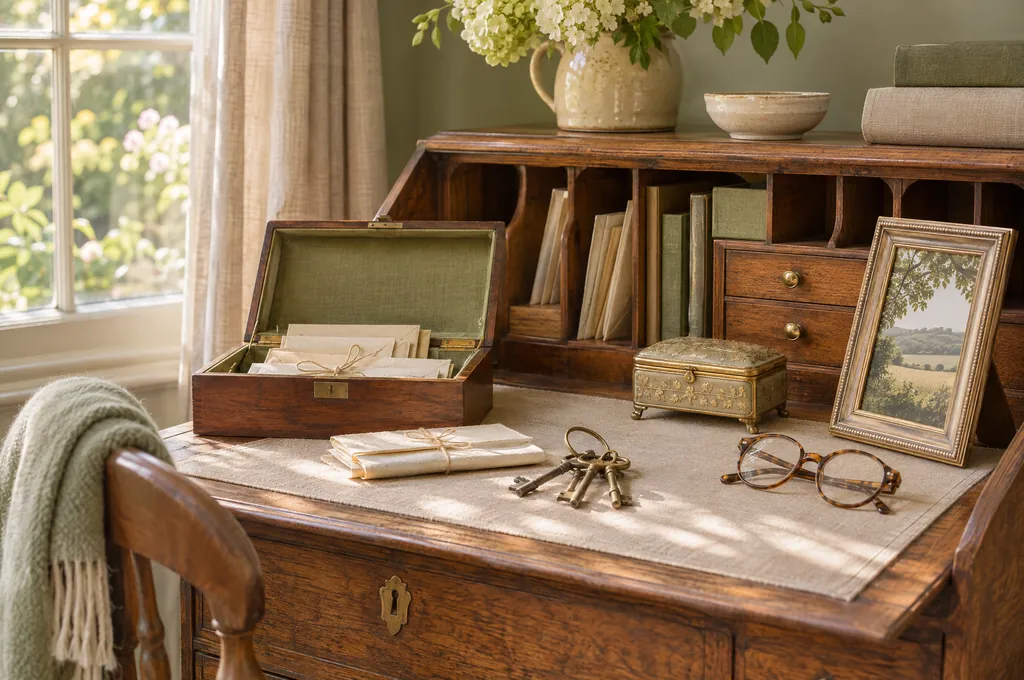
Quick answer: Before anything leaves the house, find and keep the will, identity documents, financial and property paperwork, keys, jewellery and cash, and any photographs, letters or keepsakes that mean something to the family. In Scotland, the executor has to value the estate's possessions, so nothing of value should be sold, given away or thrown out until they agree.
In this article
Clearing the home of someone you love is one of the hardest jobs there is. It is also one where mistakes are easy to make and hard to undo. A will tucked inside a book, a bank card in a coat pocket or a ring at the back of a drawer can all disappear in a bin bag in a moment. This guide sets out what to look for, where to look and how to approach the search calmly.
Documents to find and keep
These are the papers the executor and solicitor are most likely to need:
- The will, and any later notes or changes to it
- Birth and marriage certificates, and any divorce papers
- Passport and driving licence
- Bank, building society and credit card statements
- Title deeds, mortgage paperwork or tenancy agreement
- Pension statements and any annuity paperwork
- Insurance policies, including life, home and funeral plans
- Share certificates, premium bonds and savings books
- Recent tax returns and letters from HMRC
- Benefit letters
- Utility, council tax and phone bills
- Car documents and keys
- Recent post, which can reveal accounts no one knew about
Keep everything in one box until the executor has been through it. You can sort it properly later, and it is far easier to shred something you no longer need than to find something you have thrown away.
Valuables and money
Older people in particular often keep cash and valuables hidden around the house. Look for:
- Jewellery, watches and cufflinks
- Cash, foreign currency and old coins
- Gold, silver and anything hallmarked
- Stamps and coin collections
- Paintings, prints and clocks
- Keys to safes, deposit boxes or other properties
- Phones, tablets and computers, which may hold photographs and access to online accounts
Where to look
Search slowly and methodically, one room at a time. The places people most often hide things include:
- Coat, jacket and trouser pockets, and handbags
- Inside books, Bibles and photograph albums
- Under mattresses, drawer liners and carpets
- The backs and undersides of drawers
- Biscuit tins, tea caddies and jars in the kitchen
- Shoe boxes, suitcases and boxes in the loft
- Freezers, which some people use as a safe
- Envelopes in desks, bureaus and sideboards
- The garage, shed and any outbuildings
Keepsakes worth pausing over
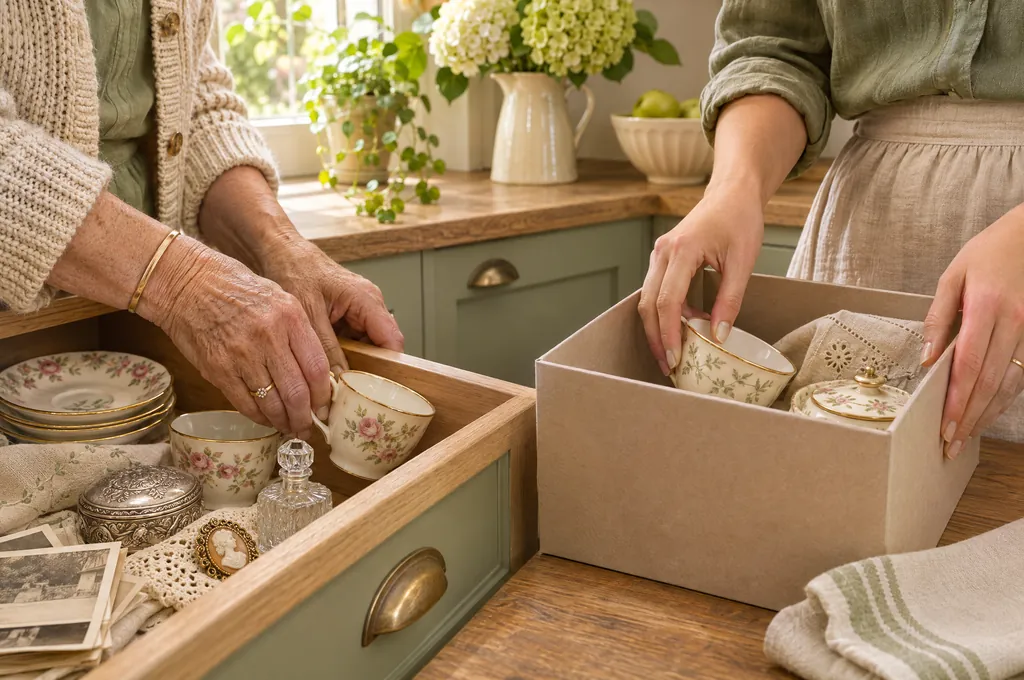
Not everything worth keeping has a financial value. Before you clear the house, set aside anything the family may want later:
- Photographs, slides, cine film and videos
- Letters, cards and diaries
- Recipe books, especially handwritten ones
- Medals, certificates and school reports
- A few items of clothing, such as a favourite jumper or scarf
- Small personal items, such as reading glasses, a pen or a watch
You do not have to decide what to do with these straight away. Our guides to old photo albums, old letters and cards and a loved one's clothes may help when you are ready.
The executor's role in Scotland
In Scotland, the person who deals with the estate is called the executor. They are usually named in the will, and if there is no executor the sheriff court can appoint one. Citizens Advice Scotland sets out four steps to sorting out an estate: valuing the property and possessions, paying debts, dealing with any inheritance tax, and applying for confirmation, which is the Scottish equivalent of probate.
Because the first step is valuing possessions, it is wise not to sell, donate or throw away anything that might have value until the executor is happy. If there is a house or land, a large estate or any disagreement in the family, it is usually worth getting legal advice.
This article is general guidance, not legal advice. If you are unsure about your responsibilities, speak to a solicitor.
Take your time
Unless there is a deadline, such as a council or rented property that needs to be handed back, there is rarely a need to rush. Many families find it easier to search the house first, then come back on another day to make decisions about furniture and belongings. If you are clearing a rented or council home, ask the landlord how long you have.
Romaine's tip: Give each person helping a different coloured bag or sticker: one for keep, one for charity, one for recycling and one for the executor to look at. It stops things being mixed up, and it means nobody has to make every decision alone.
When you are ready to clear the house
Our step-by-step guide to getting your parents' house in order covers securing the property, cancelling services and sorting belongings. When the search is done and the family has taken what it wants, we offer careful bereavement house clearances in Glasgow and Paisley, and we set aside any personal papers or photographs we find. Get in touch whenever you are ready.
Frequently asked questions
How soon should you clear a house after someone dies?
There is no set time unless the property is rented or owned by the council. Many families wait until after the funeral, and the executor may want possessions valued first.
Can I take items from my parent's house before confirmation?
The executor is responsible for the estate. Personal keepsakes are often shared out early by agreement, but anything of value should wait until the executor agrees.
What should I do with old bank statements?
Keep them until the executor or solicitor has finished with the estate, then shred them rather than putting them in the recycling.
Should I keep old photographs?
Keep them all at first. Sorting photographs takes time, and other family members may want copies. Digitising them is a good way to share them fairly.