 Decluttering
 Room Organisation
 Storage Solutions
 Small Spaces
 Cleaning & Home Routines
 Product Guides
Where Can You Donate Electrical Items in Glasgow?
The Glasgow charities that take working electricals, how to recycle the rest for free, and what to do before you hand anything over.
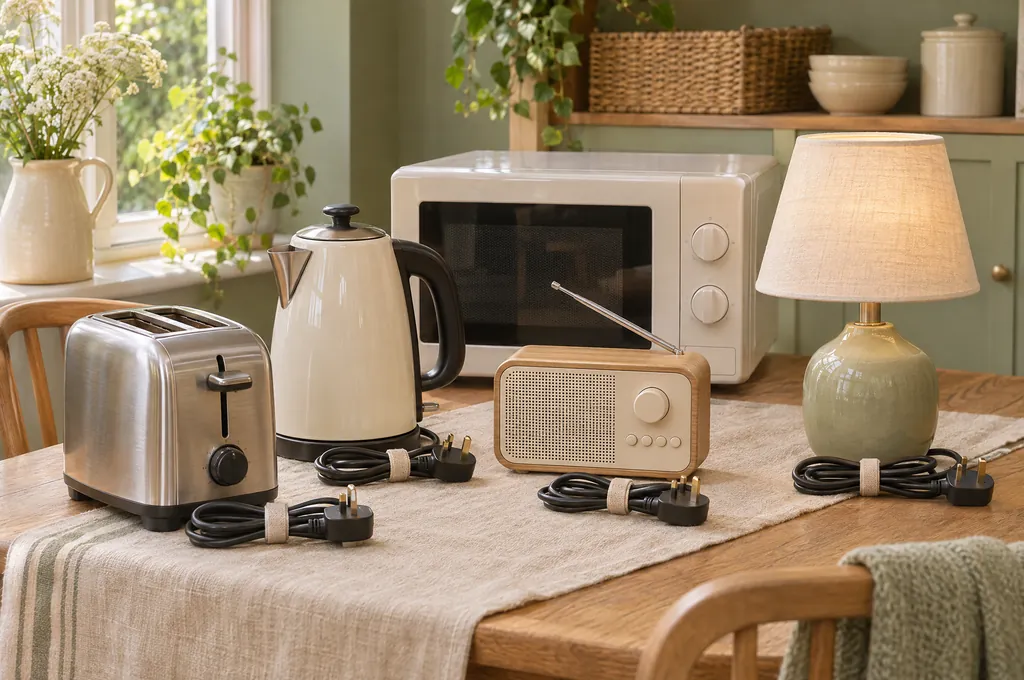
Quick answer: Emmaus Glasgow and the British Heart Foundation's furniture and electrical store in Partick both take working electrical items, and both offer free collection for larger appliances. Electricals that no longer work can be recycled free of charge at Glasgow's recycling centres, or handed back to any shop that sells electricals when you buy a replacement. Remove batteries and wipe any personal data before you donate.
In this article
Many charity shops will not take electrical items, because they have to be safety tested before they can be sold. That leaves people unsure what to do with a perfectly good microwave, lamp or vacuum cleaner. The good news is that Glasgow has charities that welcome working electricals, and free recycling for the ones that do not work. This guide explains where to go.
Why many charity shops refuse electricals
Charities must make sure anything electrical they sell is safe. That usually means a portable appliance test, often called a PAT test, carried out by a trained person with the right equipment. Many small charity shops do not have the staff or space to do this, so they turn electricals away. Charities that do test appliances can accept them and sell them on safely.
Where to donate working electricals in Glasgow
Emmaus Glasgow
Emmaus works to overcome homelessness and social exclusion, and its Glasgow community can PAT test electrical items, which means it accepts electrical donations that many charity shops cannot. It also collects large items, including large electrical appliances, from homes. You can book a collection online and upload photographs.
British Heart Foundation, Partick
The BHF's furniture and electrical store at 467 Dumbarton Road sells second-hand furniture, electricals and homewares, and offers a free collection service for furniture and electrical items.
Other options
- Furniture reuse charities. Some organisations that furnish homes for people leaving homelessness accept working white goods and small appliances. See our guide to charities that collect furniture in Glasgow.
- Zero Waste Scotland's national re-use tool. Glasgow City Council links to it, and it lists local reuse organisations that collect bulky items in good condition.
- Friends, family and community groups. Working appliances are often snapped up quickly when offered free locally.
What charities usually accept
| Usually welcome | Usually refused |
|---|---|
| Working kettles, toasters and microwaves | Anything broken, damaged or with frayed cables |
| Lamps and light fittings | Items missing parts, plugs or chargers |
| Vacuum cleaners and small kitchen appliances | Very old or dirty appliances |
| Televisions and audio equipment in good working order | Heaters and electric blankets (often for safety reasons) |
| Fridges, washing machines and cookers (larger charities) | Items with their own batteries that are damaged or swollen |
Policies vary, so always check with the charity before you take anything in, particularly for large appliances.
What to do with electricals that do not work
Recycling centres
All four Glasgow household waste recycling centres accept small electrical appliances, large appliances, televisions and monitors free of charge. Fluorescent bulbs are accepted at Dawsholm and Shieldhall.
Retailer take-back
Since 1 January 2021, shops that sell electricals across the UK have had to offer take-back of your old item when you buy a new one. If you buy a new kettle, you can recycle the old one at the same shop. Recycle Your Electricals has a postcode search for drop-off points.
Never put electricals in the bin
Anything with a plug, battery or cable should be recycled, not binned. Items with hidden batteries, such as vapes, toothbrushes and toys, can be crushed in bin lorries and start serious fires.
Before you donate or recycle
- Test it. Make sure it works and that nothing rattles or smells of burning.
- Clean it. A clean appliance is far more likely to be accepted and sold.
- Remove batteries. Take them to a battery recycling point.
- Wipe personal data. Reset phones, tablets, laptops, smart speakers and cameras to factory settings, and remove SIM and memory cards.
- Keep everything together. Include remotes, chargers, attachments and manuals, and tie up the cables.
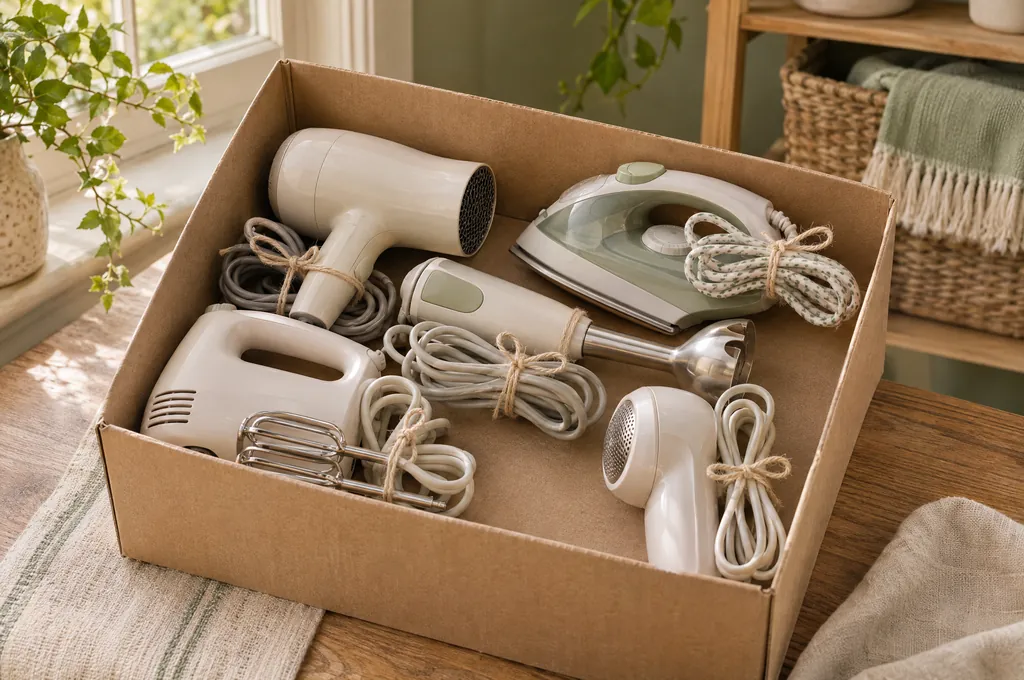
Romaine's tip: Keep a box in a cupboard for small electricals you no longer use. When it is full, take it to a charity that tests appliances or to a recycling point in one trip. It stops drawers filling up with old chargers and gadgets.
Related guides
For larger appliances, see getting rid of a fridge freezer in Glasgow. For old video players, read what to do with old VHS tapes. If you are clearing a whole house, find out what happens to belongings during a clearance.
Frequently asked questions
Which charities take electrical items in Glasgow?
Emmaus Glasgow, which PAT tests electrical items, and the British Heart Foundation's furniture and electrical store on Dumbarton Road both accept working electricals.
Why will charity shops not take electrical items?
Electrical items must be safety tested before they can be sold, and many small charity shops cannot carry out these tests.
Where can I recycle broken electricals in Glasgow?
At any of the four household waste recycling centres, or at shops that sell electricals through the retailer take-back scheme.
Do I need to wipe my old phone before donating it?
Yes. Back up anything you want to keep, then reset it to factory settings and remove the SIM and any memory card.