 Decluttering
 Room Organisation
 Storage Solutions
 Small Spaces
 Cleaning & Home Routines
 Product Guides
What Should You Do With a Loved One's Clothes After They Die?
When to start, how to decide what to keep, and kind ways to pass clothes on or turn them into keepsakes.
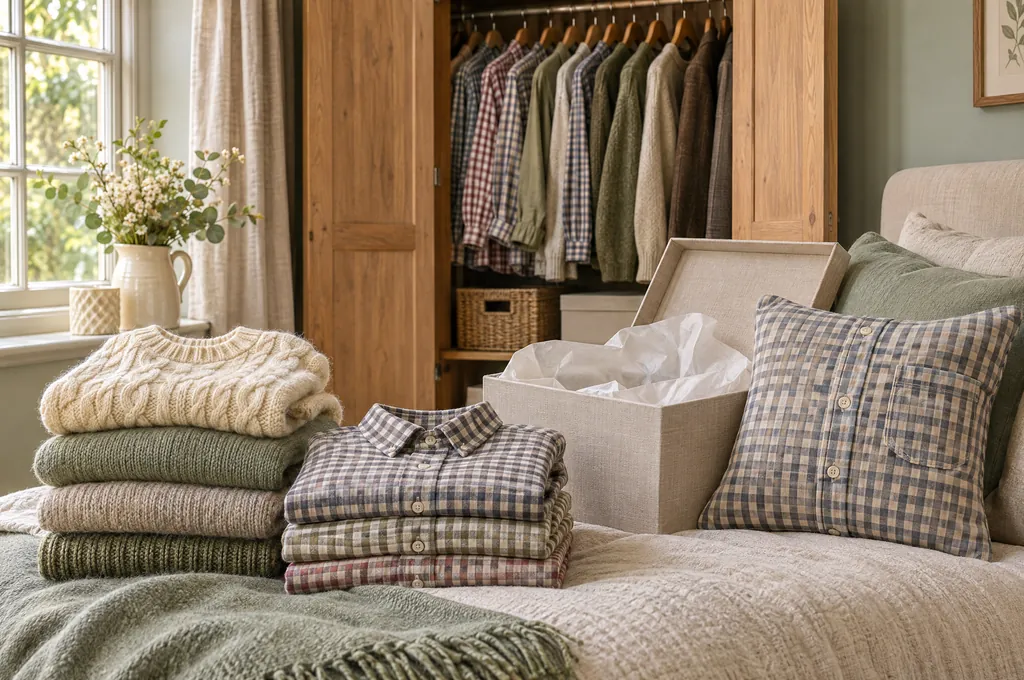
Quick answer: There is no right time, so start only when you feel ready. Keep a small number of pieces that hold strong memories, offer some to family and friends, donate wearable clothes to a charity shop, and send the rest for textile recycling. Favourite shirts, jumpers and ties can also be made into memory cushions, quilts or bears.
In this article
Of all the belongings a person leaves behind, clothes are often the hardest to face. They hold the shape and sometimes the scent of the person who wore them. Some people want to sort them straight away, while others cannot open the wardrobe for months. Both are normal. This guide offers a gentle, practical way through it whenever you are ready.
When should you sort a loved one's clothes?
There is no deadline unless the home has to be handed back, for example a rented flat or a council house. If there is no rush, it can help to wait until after the funeral and the first few weeks have passed. Some people find it easier to do it in stages, starting with things that hold fewer memories, such as socks and underwear, and leaving the coat they always wore until last.
If someone else in the household is grieving too, talk about timing together. Clearing a wardrobe that another person is not ready to see empty can cause real hurt.
How to start
- Choose a day when you have time and company. It is easier with a friend or relative who can make tea and keep the job moving.
- Check every pocket. Notes, money, keys, receipts and small keepsakes often turn up in coats and trousers. See what not to throw away.
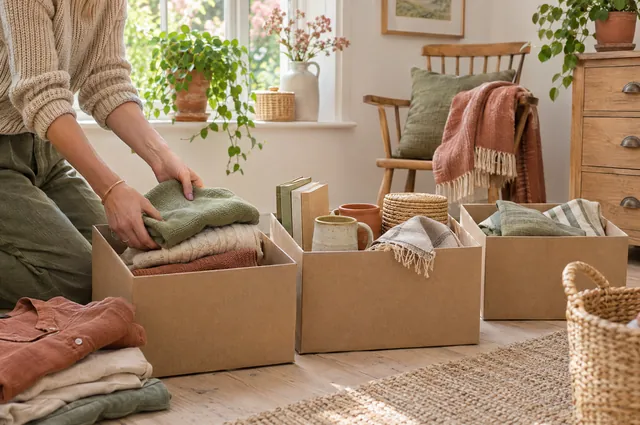
- Use four piles or bags: keep, offer to family and friends, donate, and recycle.
- Start with the easy items. Underwear, socks and worn-out clothing can go to recycling without much thought.
- Give yourself permission to stop. If it becomes too much, close the wardrobe and come back another day.
What to keep
Most people do not need to keep many clothes to feel connected to the person they have lost. A few well-chosen pieces often mean more than a full wardrobe kept out of guilt. You might keep:
- A jumper, scarf or cardigan you can wear or hold
- Something they wore for a special occasion
- A hat, tie, watch or handbag closely linked to them
- An item that still carries their scent, kept sealed in a bag
Store what you keep in a breathable cotton bag or a box lined with acid-free tissue, away from damp and direct sunlight. Plastic boxes trap moisture and can cause mildew over time.
Turning clothes into keepsakes
If you want to keep the memory without keeping the whole garment, many makers across the UK turn clothes into lasting keepsakes:
- Memory cushions made from a favourite shirt, often keeping the buttons and pocket
- Memory quilts made from several garments, which are lovely to share between siblings
- Memory bears, popular with grandchildren
- Framed patches of a tartan, a uniform or a football shirt
Search for a local maker, and look at photographs of their previous work before you send anything precious.
Where to donate clothes in the UK
Wearable clothes in good condition can go to almost any charity shop. Many families choose a charity linked to the person they have lost, such as a hospice that cared for them or a cause they supported. A few options:
- Hospice and palliative care charities. Sue Ryder, for example, uses the profits from its charity shops to fund palliative care and grief support. In Glasgow, the Prince & Princess of Wales Hospice runs shops across the city.
- Homelessness charities. Warm coats, jackets and good shoes are often welcome, particularly in winter.
- Clothing banks. Charities such as the Salvation Army run clothing banks in many supermarket car parks.
- Charity collections. Some charities collect bags from your door, which can be helpful if you are clearing a whole house.
Most shops prefer clothes that are clean, dry and bagged. Shoes are easier to sell if they are tied together in pairs.
What to do with clothes that cannot be donated
Clothes that are worn, stained or damaged can still be recycled. Many charities sell unsellable textiles to recyclers, so it is worth asking your local shop whether it takes rag. Textile banks at supermarkets and household waste recycling centres accept clothing, shoes and bedding. Glasgow City Council's recycling centres at Dawsholm, Polmadie, Shieldhall and Easter Queenslie all accept textiles.
Romaine's tip: Take a photograph of an outfit or a favourite piece before it goes. It is a simple way to hold on to the memory, and many people find it makes letting go a little easier.
If you need help
If you are clearing a whole home, our guide to getting your parents' house in order may help. We also offer gentle, hands-on personal organising and careful bereavement clearances in Glasgow and Paisley, and we work entirely at your pace. If grief feels overwhelming, organisations such as Cruse Scotland offer free help and someone to talk to.
Frequently asked questions
Is it wrong to get rid of a loved one's clothes quickly?
No. Some people find it helps to clear clothes soon after a death, while others need months or years. There is no right or wrong timing.
Should I wash clothes before donating them?
Charity shops prefer clean clothes, but you do not need to wash everything. If an item still carries a scent you want to keep, set it aside first.
Can I donate a loved one's shoes?
Yes, if they are in good condition. Tie or band them together in pairs so they do not get separated.
What can I make from a loved one's clothes?
Memory cushions, quilts and bears are the most popular, but some makers also create blankets, bags and framed pieces from favourite fabrics.