 Decluttering
 Room Organisation
 Storage Solutions
 Small Spaces
 Cleaning & Home Routines
 Product Guides
What Should You Do With Old Letters and Cards When Decluttering?
How to decide which letters and cards to keep, how to store them well and what to do with the rest.
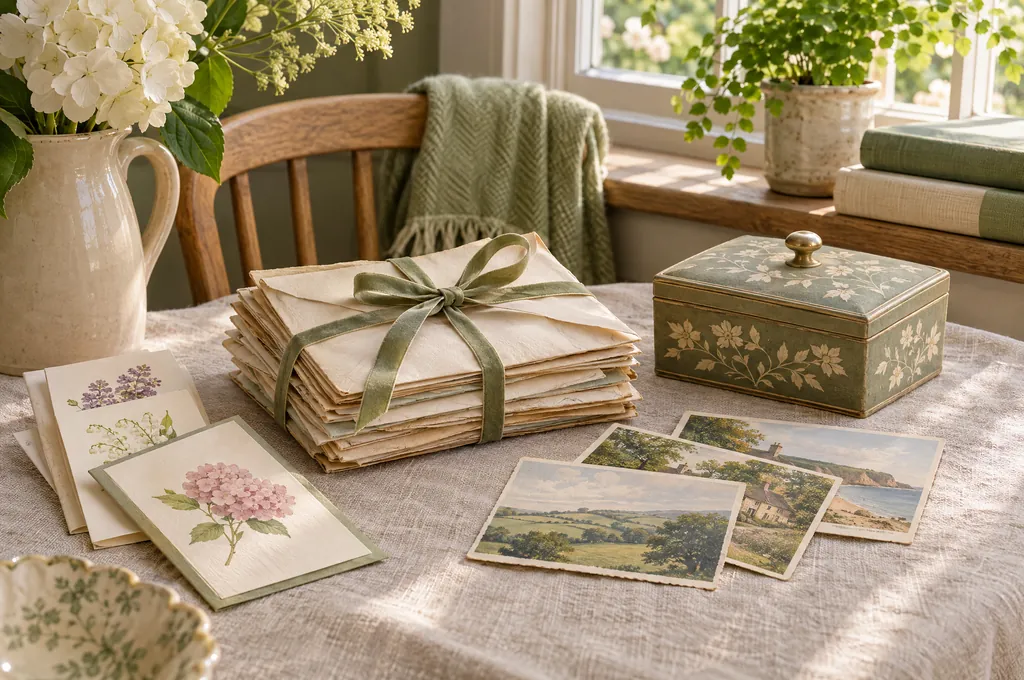
Quick answer: Keep letters and cards that carry real meaning: personal letters, handwriting of people you have lost, love letters and cards from milestone moments. Let go of mass-produced cards with only a signature, duplicates and anything from people you no longer remember. Store what you keep in an acid-free box, photograph or scan the rest if you like, and shred anything with personal details.
In this article
Letters and cards build up quietly. A few every birthday and Christmas, a shoebox of letters from a grandparent, a drawer of postcards from friends who travelled: before long they fill a cupboard. Unlike most clutter, they feel personal, and throwing any of them away can feel like throwing away the person who sent it. This guide will help you decide what to keep and how to look after it.
Why letters and cards are so hard to declutter
Handwriting is personal in a way that few other objects are. A card from someone who has died can bring their voice back instantly. Letters can also record family history that exists nowhere else. At the same time, a card with a printed verse and a quick signature rarely holds the same meaning. The key is learning to tell the difference.
How to sort them
- Gather everything in one place. Check drawers, bags, books and boxes in the loft.
- Do a quick first pass. Remove obvious discards, such as cards with only a signature and envelopes with nothing inside.
- Sort the rest by person or by decade. It makes it easier to see what you have and to choose the best.
- Read slowly, but set a time limit. Reading old letters can take hours. Give yourself permission to enjoy it, but stop when you need to.
- Decide in a second session. It is often easier to let go after a day or two away from them.
What to keep and what to let go
| Worth keeping | Usually safe to let go |
|---|---|
| Personal letters with real news or feeling | Cards with a printed verse and just a signature |
| The handwriting of people you have lost | Several near-identical cards from the same person |
| Love letters and letters marking big life events | Cards from people you no longer remember |
| Wartime letters and anything recording family history | Business Christmas cards and generic thank-you cards |
| Children's first cards and notes | Envelopes, unless they carry a stamp or postmark you value |
| Cards from a wedding, a birth or a funeral | Gift tags and wrapping |
You do not need to keep every card from a big occasion. Choosing a handful of the most meaningful, such as the card from your parents on your wedding day, keeps the memory without the bulk.
Ways to keep the memory without the pile
- Photograph or scan them. A quick photo of the front and inside of a card keeps the words and handwriting without the paper.
- Make a keepsake book. Fix your favourite cards into a scrapbook, or have scans printed into a single photo book.
- Frame one or two. A short letter or note in a parent's handwriting can be lovely framed.
- Turn handwriting into a keepsake. Some makers engrave a few handwritten words onto jewellery, a chopping board or a mug.
- Share them. Siblings, cousins or old friends may love to have letters that mention them.
How to store the letters and cards you keep
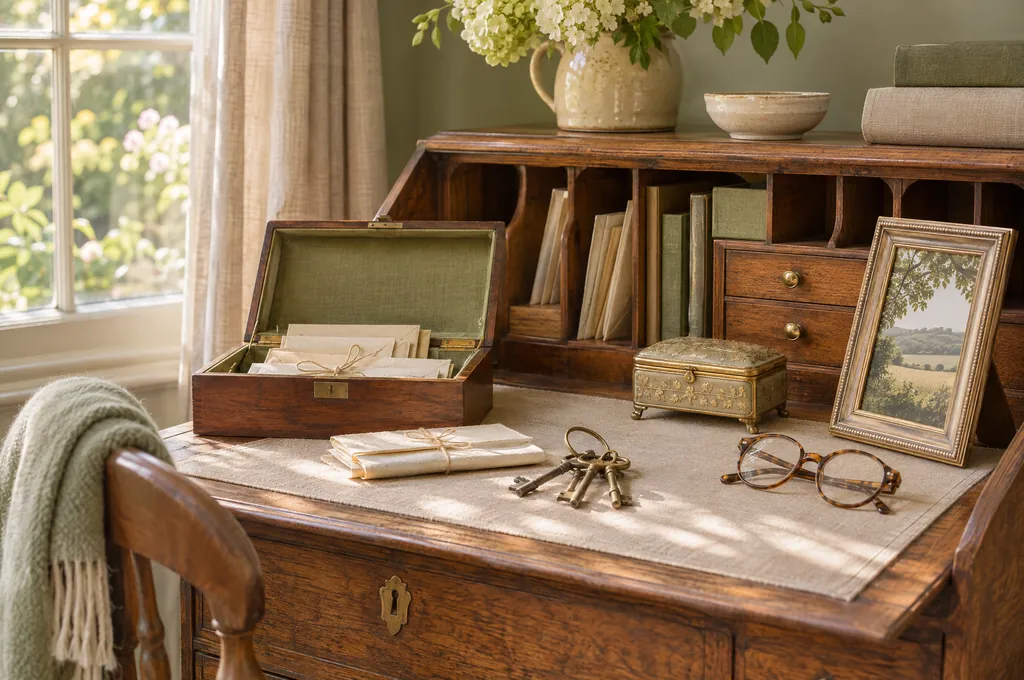
- Use an acid-free box or archival folders, rather than a plastic box or an old shoebox.
- Remove paper clips, staples and rubber bands, which rust or perish and damage paper.
- Unfold letters if you can, as repeated folding weakens the paper along the creases.
- Store them in a cool, dry room inside the house, away from damp lofts and sunlight.
- Label the box with what is inside, so future family members know what they are looking at.
Romaine's tip: Give yourself one keepsake box and treat it as the limit. When it is full and a new card arrives that you love, choose one to let go. It keeps the collection meaningful rather than overwhelming.
How to dispose of cards and letters
Plain paper cards and letters can go in household paper and card recycling. Cards with glitter, foil, ribbons, batteries or sound chips cannot, so remove those parts or put the card in general waste. Shred anything with addresses, signatures or personal information, rather than recycling it whole.
If you are clearing a loved one's home
Letters often turn up in the most unlikely places: inside books, behind drawers or in coat pockets. Our guide to what not to throw away when clearing a loved one's house explains where to look. You may also find our guides to old photo albums and a loved one's clothes helpful. For more on letting go of sentimental things, visit our decluttering section.
Frequently asked questions
Should I keep old birthday cards?
Keep the ones with personal messages, cards from milestone birthdays and anything from people you have lost. Cards with just a signature can usually go.
Can greeting cards be recycled?
Plain paper and card ones can. Cards with glitter, foil, ribbons or electronic parts should go in general waste unless you remove those parts.
How do I preserve old letters?
Remove metal clips and staples, unfold them if possible and store them flat in an acid-free box, in a cool, dry room away from sunlight.
Is it disrespectful to throw away letters from someone who has died?
No. Keeping a few that truly matter can honour their memory more than keeping everything in a box that is never opened.