 Decluttering
 Room Organisation
 Storage Solutions
 Small Spaces
 Cleaning & Home Routines
 Product Guides
What Should You Do With Old Photo Albums When Decluttering?
How to sort a lifetime of photographs, digitise the best, rescue prints from sticky albums and store what you keep.
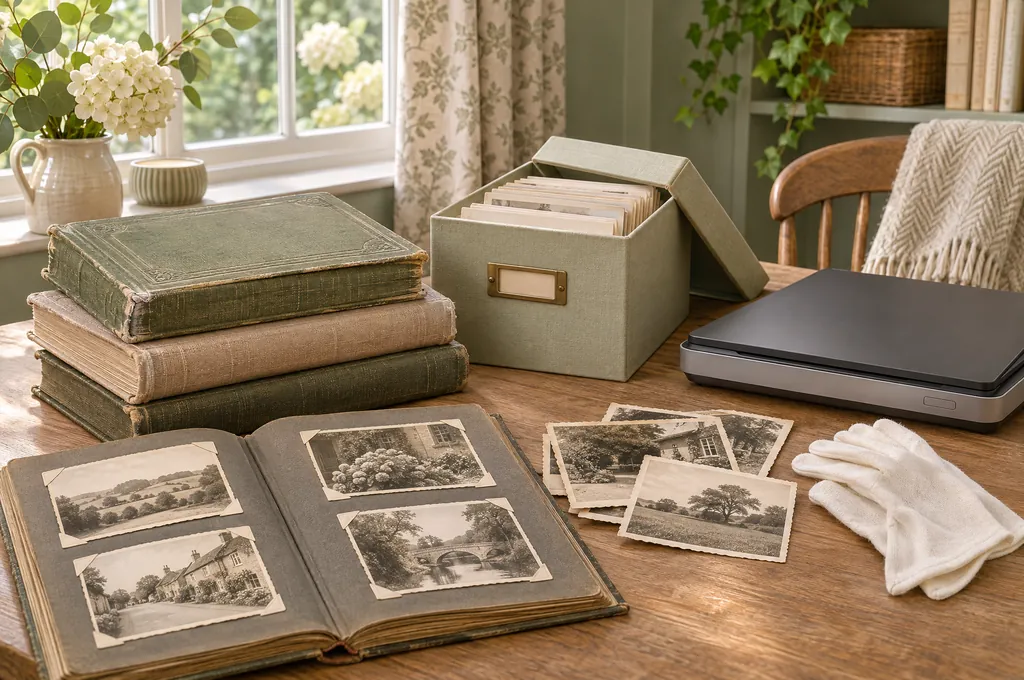
Quick answer: Sort the photographs before you sort the albums. Keep the images that matter, digitise the best so the whole family can have copies, and store the prints you keep in acid-free, PVC-free boxes or sleeves. Photographs stuck in old self-adhesive albums are often safer scanned in place than forced out. Duplicates, blurry shots and landscapes nobody can identify can usually go.
In this article
- Start by gathering everything together
- What to keep and what to let go
- A warning about sticky albums
- How to digitise old photographs
- How to store the photographs you keep
- Sharing photographs fairly between family
- How to dispose of photographs you do not keep
- More help with sentimental items
- Frequently asked questions
Old photo albums are among the hardest things to declutter. They are bulky, they take up whole shelves and cupboards, and every page feels like it should be kept. Yet many families have boxes of albums that nobody has opened in years. This guide explains how to sort a lifetime of photographs, what to keep, how to digitise them and how to store the ones you hold on to.
Start by gathering everything together
Photographs tend to be spread around the house: albums in the living room, loose prints in a shoebox, slides in the loft and a packet of negatives in a drawer. Bring them all to one place, such as the dining table, so you can see the scale of the job. It will probably take longer than you expect, so plan a few short sessions rather than one long one.
What to keep and what to let go
A useful question is: would anyone miss this photograph if it were gone? If the answer is no, it can probably go.
| Keep | Usually safe to let go |
|---|---|
| Photographs of people, especially family | Duplicates and near-identical shots |
| Weddings, christenings, birthdays and milestones | Blurred, dark or badly framed pictures |
| Homes, streets and places with family history | Landscapes and views nobody can identify |
| Older photographs, especially before the 1960s | Photographs of people nobody knows |
| Anything with names, dates or notes on the back | Packets of prints from holidays with no people in them |
Before throwing out photographs of unknown people, ask an older relative if they can identify them. Once that knowledge is gone, it is very hard to recover.
A warning about sticky albums
The self-adhesive albums sold in the 1970s and 1980s, often called magnetic albums, were convenient but are bad for photographs. The card pages are rarely acid-free, the adhesive hardens over time until it becomes permanent, and the clear plastic film, often PVC, yellows and can stick to the prints. Over decades, photographs can become bonded to the page.
- If a photograph lifts easily, remove it gently and move it to archival storage.
- If it does not, do not force it. You risk tearing the print.
- Scan or photograph the whole page instead. Many people find this gives them a perfectly good digital copy without any risk.
- For precious photographs that are badly stuck, speak to a professional conservator.
How to digitise old photographs
Do it yourself
A flatbed scanner gives the best quality at home. Scan at 600 dpi for small prints you might want to enlarge, and save in a high-quality format. Phone scanning apps are quicker and good enough for sharing with family, particularly for prints stuck in albums.
Use a scanning service
If you have hundreds or thousands of photographs, slides or negatives, a professional scanning service may be worth the cost. Many UK services accept albums by post and return them with your images on a USB stick or by download. Compare prices and check how they handle and insure your originals before sending anything irreplaceable.
Name and back up your files
Name files with the year and a short description, such as 1972-gran-and-grandad-wedding, so they are easy to search. Keep at least two copies, for example one on an external hard drive and one in cloud storage, and share them with family. Digital files that exist in only one place can be lost just as easily as prints.
How to store the photographs you keep
- Use acid-free, lignin-free boxes or albums.
- Choose sleeves made from polypropylene or polyester, not PVC.
- Store them in a cool, dry room inside the house, not in a damp loft, garage or cellar.
- Keep them out of direct sunlight.
- Write on the back of prints in soft pencil, not ballpoint pen, which can press through.
- Handle older photographs by the edges, ideally with clean, dry hands or cotton gloves.
Romaine's tip: Choose your favourite fifty photographs and have them printed in one good-quality photo book. It is far more likely to be looked at than a dozen boxes in the loft, and you can order a copy for each branch of the family.
Sharing photographs fairly between family
After a bereavement, photo albums can cause tension when several people want the same pictures. Digitising solves this neatly, because everyone can have a full set. You might also agree that each person chooses a few original prints in turn. If you are sorting a parent's home, our guide to what not to throw away covers other keepsakes worth setting aside.
How to dispose of photographs you do not keep
Most photographic prints cannot go in household paper recycling, because of the coatings and chemicals used to make them. Put them in your general waste instead. Shred or cut up any photographs showing addresses, car number plates or children if you are worried about privacy. Old albums can usually go in general waste, or to a recycling centre if they are made of plain card.
More help with sentimental items
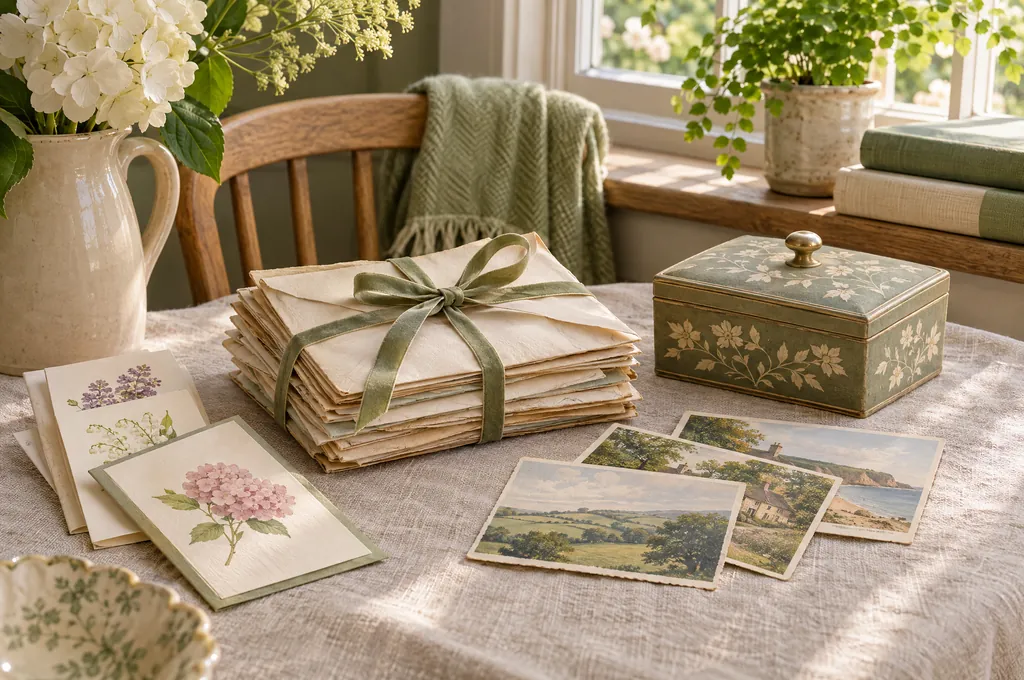
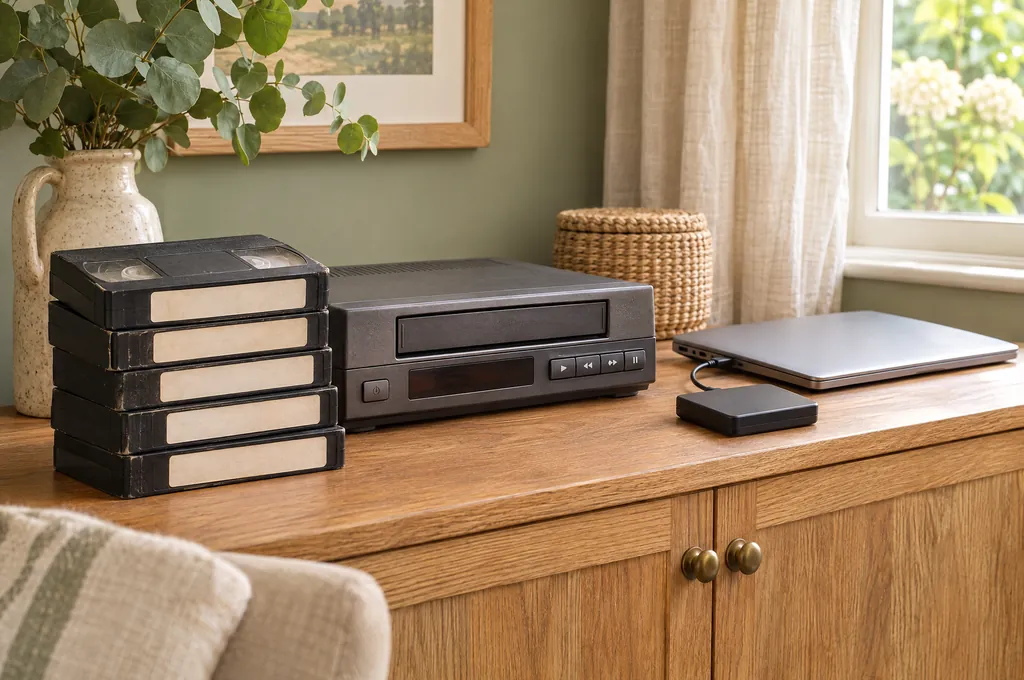
Photographs often sit alongside old letters and cards and home videos on VHS, and the same approach works for all of them. If sentimental items have become overwhelming, our personal organising service can help you work through them at your own pace.
Frequently asked questions
Is it wrong to throw away old family photographs?
No. Keeping the photographs that matter and letting go of duplicates, blurry shots and unidentifiable pictures makes the important ones easier to enjoy and share.
Can you recycle old photographs?
Usually not. Photographic paper is coated and treated with chemicals, so prints should go in general waste.
What is the best way to store old photographs?
In acid-free boxes or PVC-free sleeves, in a cool, dry room inside the house and away from direct sunlight.
How do I get photos out of an old sticky album?
Try lifting them gently from a corner. If they resist, stop and scan the whole page instead, or ask a conservator for help with valuable prints.