 Decluttering
 Room Organisation
 Storage Solutions
 Small Spaces
 Cleaning & Home Routines
 Product Guides
What Should You Do With Old Medals and Military Memorabilia?
How to find out the story behind them, look after them, and decide whether to keep, share, donate or sell.
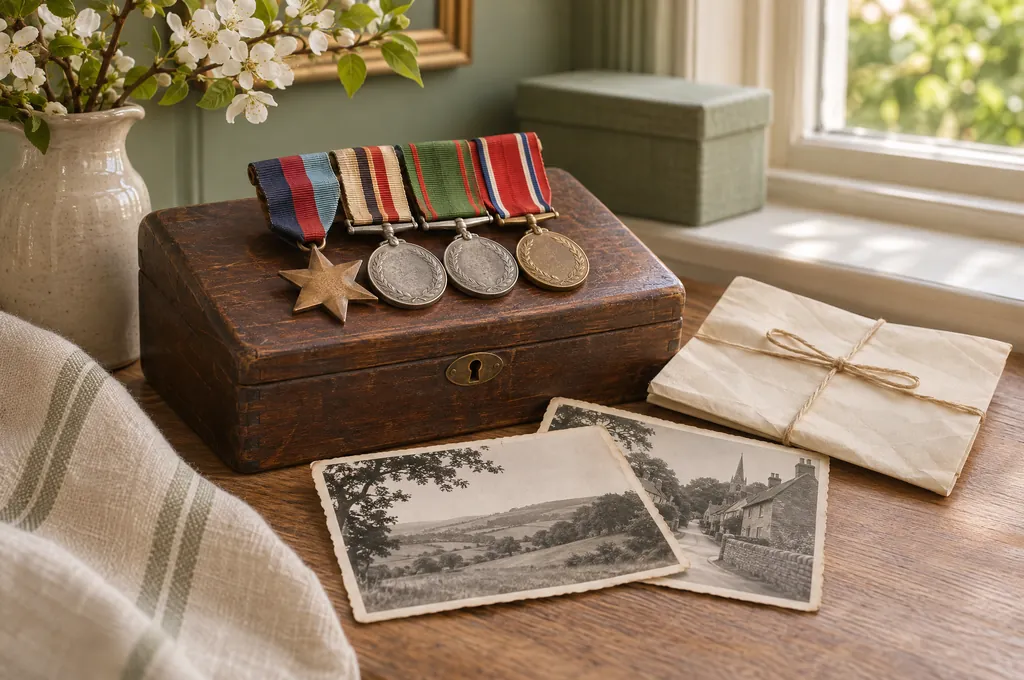
Quick answer: Before deciding anything, find out the story behind the medals: the names on the rims and the service records can tell you a lot. Talk to the family, because medals often mean a great deal to someone. You can keep and display them safely, pass them to a relative, donate them to a regimental museum, or sell them through a specialist medal dealer or auction house. Damaged or destroyed medals can sometimes be replaced by the Ministry of Defence, but lost medals cannot.
In this article
Medals, uniforms, letters and photographs from a relative's military service often surface when a family home is cleared. They can feel too important to throw away and too personal to sell, and many families do not know what they are looking at. This guide explains how to research old medals and memorabilia, look after them, and decide what to do with them.
Find out the story first
Medals are much more meaningful, and sometimes more valuable, when you know who they belonged to and what they were for.
- Look at the rim. Many British campaign medals were named on the edge with the person's service number, rank, name and unit.
- Identify the medals. The shape, ribbon colours and inscriptions tell you which campaign or award each one is. Regimental museums and medal collectors can help.
- Check the paperwork. Letters, discharge papers, pay books and photographs found with medals often fill in the story.
- Search the records. Many service records and medal rolls can be searched online through national archives and family history sites.
- Ask the family. Older relatives may remember stories that are not written down anywhere.
Keeping and displaying medals
If the family wants to keep the medals, a little care keeps them in good condition:
- Store medals in a dry box, wrapped in acid-free tissue, away from damp lofts and garages.
- Do not polish them. Cleaning can wear away detail and reduce their value.
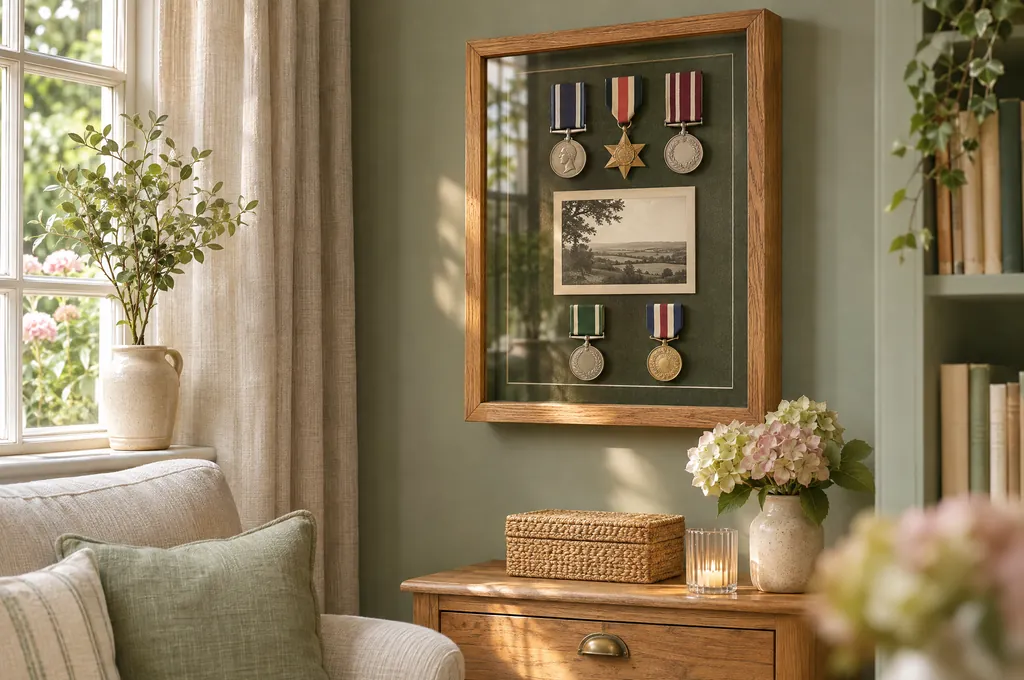
- Consider a glass-fronted display frame, ideally with a photograph of the person and a short note about their service.
- Keep paperwork and photographs with the medals, so the story stays together.
- Make sure valuable medals are covered by your home insurance.
Family members are often welcome to wear a relative's medals on the right side of the chest at remembrance events. Check local guidance if you are unsure.
Replacing damaged medals
The Ministry of Defence can provide replacement medals if the originals were stolen, damaged or destroyed, for example in a fire or flood, as long as they were awarded for service after the First World War. You can apply for someone else's medals if you have a lasting power of attorney for them, or if they have died and the Ministry of Defence recognises you as their next of kin. There is a charge, which depends on the medal. Lost medals cannot be replaced, but replicas can be bought from medal manufacturers and dealers.
Donating to a museum
If no one in the family wants to keep them, a regimental or military museum may be a fitting home, particularly if the medals come with photographs, letters or a strong story. The National Army Museum and many regimental museums, such as the Royal Artillery Museum, accept donations, but they are selective and will consider how items fit their collections. Contact them first with photographs and any information you have. Scotland also has regimental museums for its historic regiments.
Selling medals
Medals can be sold, and some families choose to do so, particularly when no one wants to keep them. Specialist medal dealers and auction houses know the market and can tell you what a group of medals is worth. Named medals with a documented story, gallantry awards and complete groups usually attract the most interest. Get more than one opinion, and keep a photograph and record of the medals for the family before they go.
Agreeing as a family
Medals can stir strong feelings. Before selling or donating, talk to close family. Some people feel strongly that medals should stay in the family, while others are happy to see them in a museum where many people can learn the story. If you are clearing a relative's home, the executor has the final say over items in the estate. See our guide to what not to throw away when clearing a loved one's house.
Romaine's tip: Whatever you decide, write down the story while you know it: who the medals belonged to, where they served and anything the family remembers. Put a copy with the medals and keep a copy yourself. It is the part that is easiest to lose.
Related guides
Medals often come with letters, photographs and jewellery. See old letters and cards, old photo albums and old jewellery you never wear.
Frequently asked questions
Can I sell my grandfather's medals?
Yes, medals can be sold, usually through specialist dealers or auction houses. Talk to the family first and keep a record of the medals and their story.
Can I get replacement medals for a relative?
If the medals were stolen, damaged or destroyed, and you are recognised as next of kin or hold a lasting power of attorney, you can apply to the Ministry of Defence for a paid replacement. Lost medals cannot be replaced.
Will a museum take old medals?
Regimental and military museums sometimes accept medals, especially with a strong story, but they are selective. Contact them with photographs first.
Should I clean old medals?
No. Polishing can damage the detail and reduce their value. Store them dry and wrapped in acid-free tissue.