 Decluttering
 Room Organisation
 Storage Solutions
 Small Spaces
 Cleaning & Home Routines
 Product Guides
What Should You Do With Old Recipe Books and Handwritten Recipes?
How to save the family recipes that matter, turn them into something you will use, and let go of the cookbooks you do not.
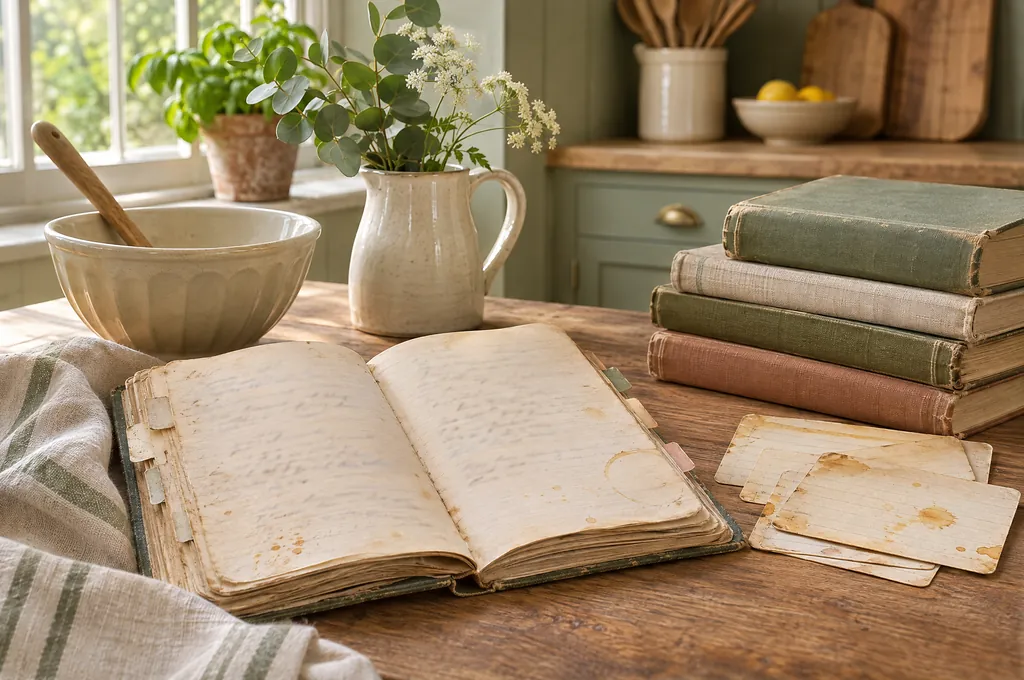
Quick answer: Keep handwritten family recipes and the few cookbooks you genuinely use. Photograph or scan handwritten recipes so they are safe and easy to share, and consider turning the best into a family cookbook. Store originals in acid-free sleeves away from the kitchen. Cookbooks you no longer use can go to charity shops, and stained or broken ones can be recycled.
In this article
Recipe books and handwritten recipes are a special kind of clutter. A shelf of cookbooks can be mostly unused, while a single stained card in a grandmother's handwriting can be one of the most precious things in the house. This guide explains how to decide what to keep, how to preserve family recipes, and what to do with the rest.
Start with the handwritten recipes
Handwritten recipes are often the most meaningful thing in a kitchen. They carry a person's handwriting, their notes and adjustments, and memories of meals shared over decades. They are also fragile, often stained and easily lost. Gather them all in one place: loose cards, notebooks, scraps of paper tucked inside cookbooks, and recipes written in the margins.
Check inside every cookbook before you let it go. Families regularly find handwritten notes, cuttings and recipe cards hidden between the pages.
How to digitise family recipes
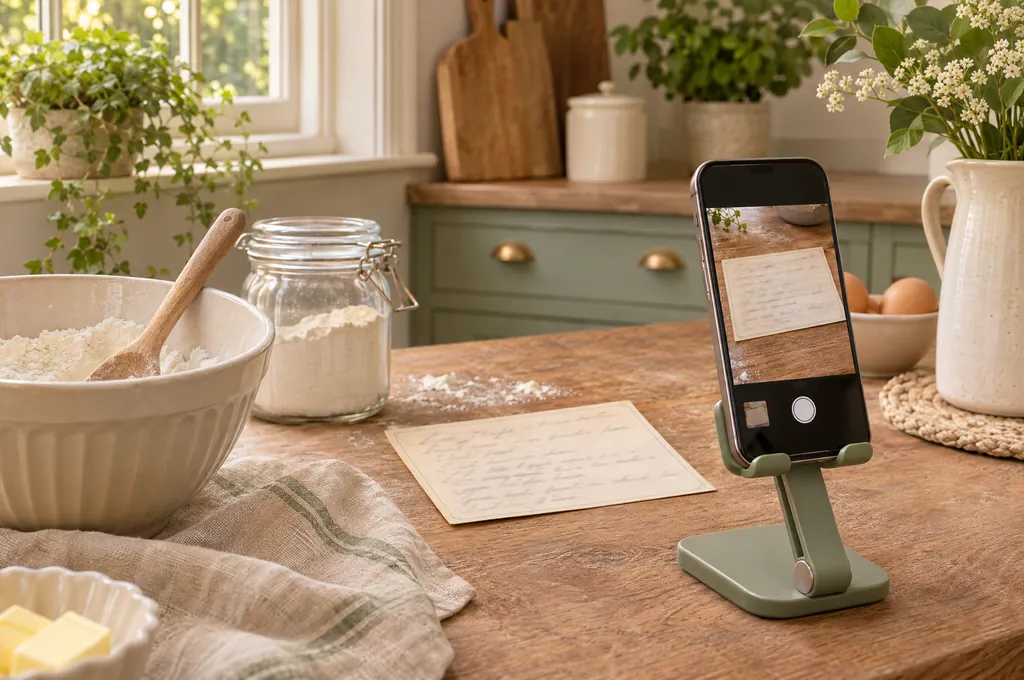
- Photograph them. A phone on a simple stand in good daylight gives clear, even images. Photograph both sides of any card with writing on the back.
- Scan them. A flatbed scanner gives the best quality for fragile or faded originals.
- Type them up as well. Typed versions are easier to read and search, while photos keep the handwriting.
- Store and share them. Keep the files in a shared album or folder so the whole family can use them, and back them up in more than one place.
Make a family cookbook
A family cookbook turns a box of loose recipes into something everyone can use and treasure. Include a photo of each handwritten original alongside a typed version, and add the story behind each dish: who made it, when it was served, and any family jokes that go with it. Online photo book services make it easy to print copies for each branch of the family, and a family cookbook makes a lovely gift.
Looking after the originals
- Store handwritten recipes in acid-free sleeves or a small archival box.
- Keep them out of the kitchen, away from steam, heat and spills. Use copies when you cook.
- Remove paper clips and staples, which rust and leave marks.
- Frame one or two favourites. A recipe card in a familiar hand looks lovely on a kitchen wall, behind glass.
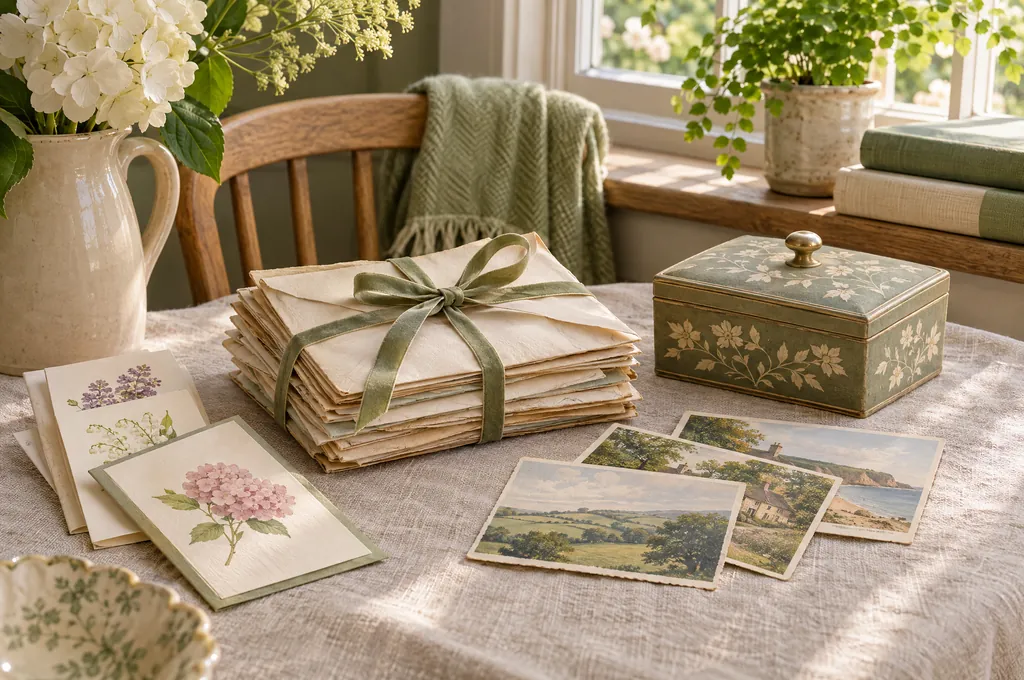
Our guide to old letters and cards has more advice on preserving handwritten paper.
Decluttering cookbooks
Most people cook from a handful of recipes and a few trusted books. Ask yourself:
- Have I cooked from this book in the last year?
- Do I use more than one or two recipes from it?
- Could I find these recipes online?
- Does it have sentimental value, or notes I want to keep?
If you only use one or two recipes from a book, photograph those pages and let the book go. Keep books that are well-used, beautifully made, or that belonged to someone special.
Where to donate cookbooks
Charity shops welcome cookbooks in good condition, and they are among the books that sell most easily. In Glasgow, specialist bookshops such as the Oxfam Bookshop on Byres Road are a good choice. Community kitchens, food projects and schools may also welcome them. See our guide to where to donate books in Glasgow. Stained, broken or very out-of-date cookbooks can be recycled once any hard cover has been removed.
Romaine's tip: Cook one of the handwritten family recipes before you file it away. Tasting it again often tells you more about why it matters than any amount of sorting, and it might become a regular dish again.
Related guides
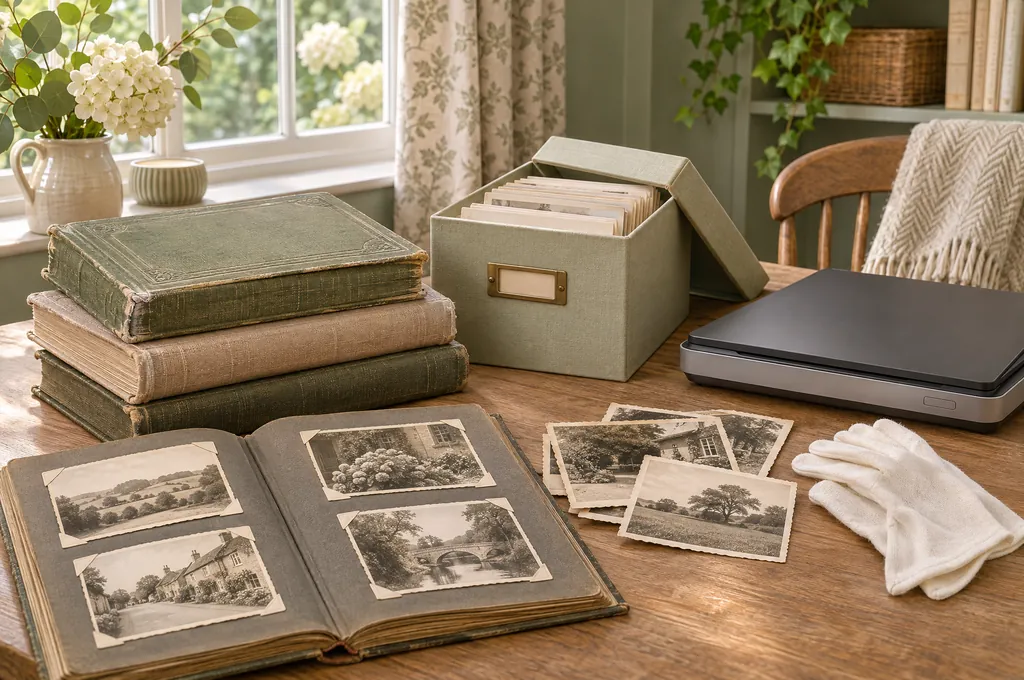
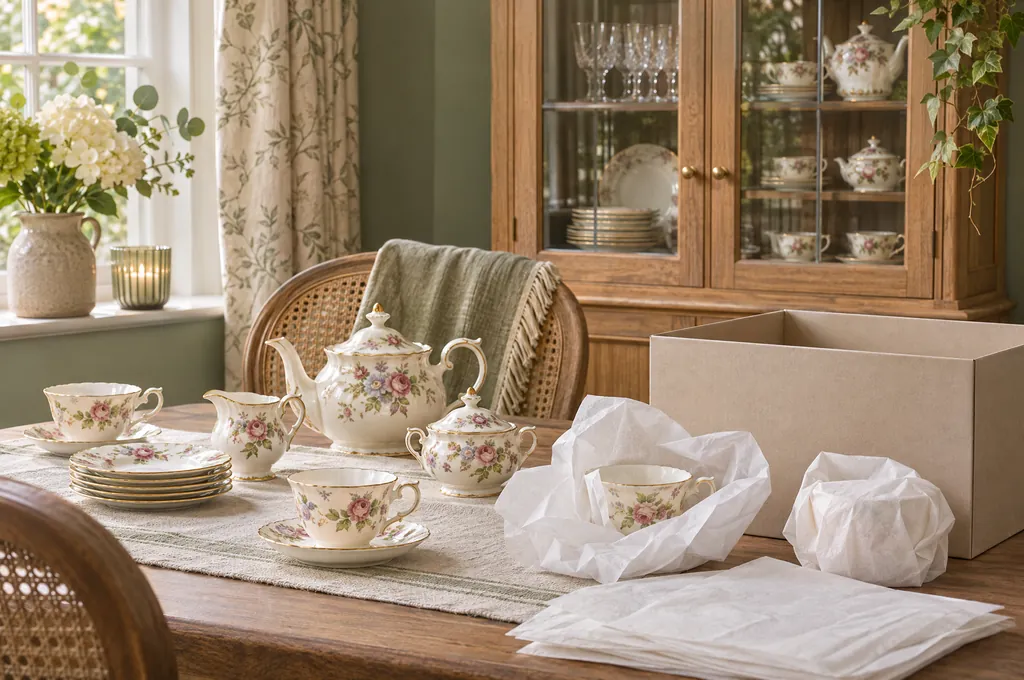
Recipes often turn up alongside other family keepsakes. See old photo albums, your grandparents' old china and what not to throw away when clearing a loved one's house.
Frequently asked questions
How do I preserve old handwritten recipes?
Photograph or scan them, then store the originals in acid-free sleeves away from the kitchen. Use copies when you cook.
What can I do with old family recipes?
Digitise them, share them with family, frame a favourite or turn them into a printed family cookbook.
Do charity shops take cookbooks?
Yes. Cookbooks in good condition sell well in charity shops and bookshops.
Should I keep cookbooks I never use?
Usually not. Photograph any recipes you use from them and pass the books on to someone who will cook from them.